Oil prices fall following discussions between the United States and Iran
Crude oil prices have decreased due to positive developments in US-Iran negotiations, which suggest a potential agreement. This has alleviated some global economic concerns.

Live intelligence from 10+ verified Nigerian and UK sources
Crude oil prices have decreased due to positive developments in US-Iran negotiations, which suggest a potential agreement. This has alleviated some global economic concerns.
The UK pound is nearing its annual low due to ongoing political instability, particularly following a recent Labour victory. This turmoil includes discussions about Prime Minister Sir Keir Starmer's potential resignation amid party challenges.
Nigerians are increasingly opting for basic feature phones instead of smartphones due to high mobile data and airtime costs. This trend reflects a shift in consumer priorities amidst economic challenges.
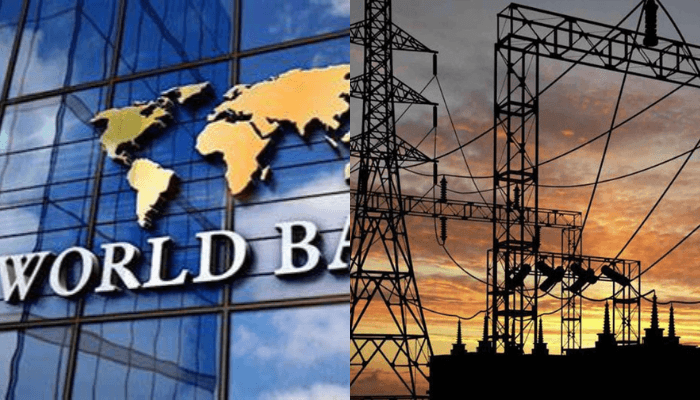
The World Bank reports that Mission 300 has successfully provided electricity to 50 million people across Africa. This initiative marks a significant step towards improving energy access in the region.
Nigeria is grappling with significant credit invisibility issues that hinder access to financial services. Many individuals with strong banking histories remain unrecognized by credit systems, limiting their economic opportunities.
As of June 22, 2026, the exchange rate for $100 is approximately ₦136,341 at the official NFEM rate and about ₦140,000 in the parallel market. This reflects ongoing fluctuations in Nigeria's currency valuation.
Nigeria's government has secured over $380 million in investment pledges within just three months. This achievement marks a significant step forward in the implementation of the Nigeria Industrial Policy 2025.
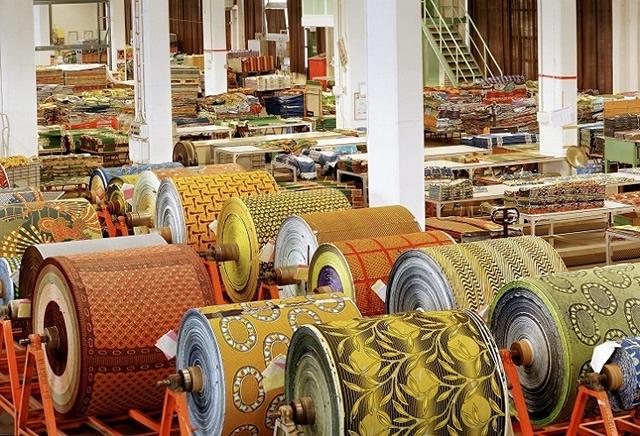
The Nigeria Textile Manufacturers Association is urging the government to implement stronger trade safeguards to protect the domestic textile industry. They aim to combat excessive imports and unfair foreign competition.
Nigeria's manufacturing sector significantly boosted non-oil tax revenue in Q1 2026, contributing N404 billion through VAT and CIT. This highlights the sector's vital role in enhancing government income.
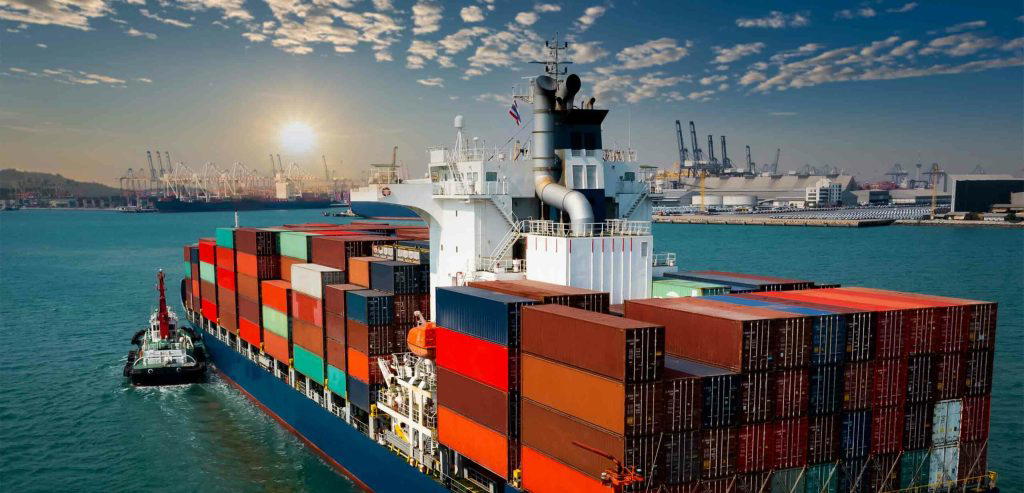
Importers in Nigeria are facing daily demurrage costs of N100,000 due to delays caused by the National Single Window platform. Customs agents have expressed concerns over the prolonged cargo clearance processes at seaports.
Crude prices have fallen while most stocks have gained, buoyed by optimistic negotiations between the US and Iran. This positive development is expected to alleviate inflation concerns and stabilize the global economy.
The Nigerian naira showed stability against the US dollar on June 22, 2026, with a narrow spread in the official and parallel markets. This indicates a balanced foreign exchange environment in Nigeria.
The Nigerian stock market has declined as investors engage in profit-taking following a recent rally. Analysts indicate that this trend primarily affects major blue chip and mid-cap companies.
Nigeria's economic challenges are deeper than just the naira's exchange rate. The focus on currency value often overshadows more fundamental issues affecting the economy.
New champions, including 18-year-old Etoro Bassey, emerged at the 47th CBN Senior Tennis Tournament in Abuja. Read about all the winners and highlights.
Nigeria's stock market has experienced a significant decline, losing N8.24 trillion as investors cash in on profits. This downturn reflects a broader trend of profit-taking among investors since June.
Nigeria's intra-African trade share rose significantly to $9.02 billion in 2025, up from $7.47 billion. This growth highlights the increasing economic engagement of Nigeria within the African continent.
The IMF's 2026 report on Nigeria highlights significant economic challenges and the need for trust in financial advice. It emphasizes the importance of effective communication to ensure citizens feel the impact of proposed reforms.
OPEC estimates that Nigeria and other African nations will need $92 billion for refining investments by 2050. The report highlights key projects, including BUA's Akwa Ibom refinery and Dangote Refinery's contribution to refining capacity.
Nigeria is actively courting international oil investors by implementing reforms and expanding energy pipeline projects. The government aims to enhance its attractiveness in the oil and gas sector after facing economic challenges.
Governor Sanwo-Olu has declared Lagos as the geoeconomic center of Africa, highlighting its $259.75 billion economy and significant infrastructure investments. He emphasized the state's ambition to be a sub-national giant with global influence.
HOSCON has accused certain cabals within NNPCL of sabotaging Tantita's operations and has called on the president to address a four-month salary delay. The situation highlights ongoing tensions in Nigeria's oil and gas sector.
Ten major Nigerian banks have secured N7.81 trillion from the IFC and Afrexim to enhance lending across Africa. This funding aims to support Nigeria's infrastructure development and meet the continent's financial demands.
The fixed income market in Nigeria saw a significant turnover of N1.16 trillion on June 19, 2026. This activity reflects strong investor interest in government bonds.
The European Investment Bank and the Development Bank of Nigeria have partnered with a €200 million investment to promote green growth and digital innovation in Nigeria. This initiative aims to support small-scale enterprises across the country.
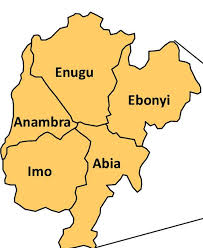
The Igbo people are significant wealth creators in Nigeria, contributing greatly to entrepreneurship and industry. However, their homeland in the South-East continues to face development challenges despite this economic prowess.
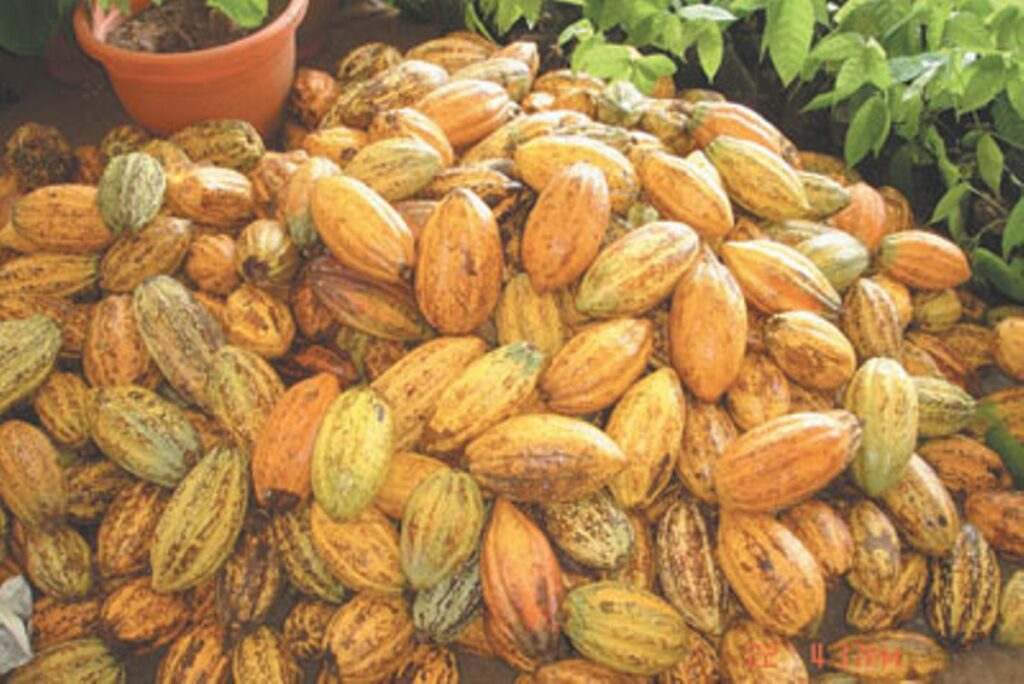
Cocoa prices are projected to exceed $10,000 per tonne due to investments in lab-grown alternatives. The Cocoa and Coffee Farmers Alliance Association of Africa warns this shift may neglect smallholder farmers.
The UNHCR and TGI Group have partnered to create over 10,000 jobs for displaced Nigerians, benefiting more than 5,000 farmers in Benue and Cross River States. This three-year initiative aims to enhance livelihoods and support local communities.
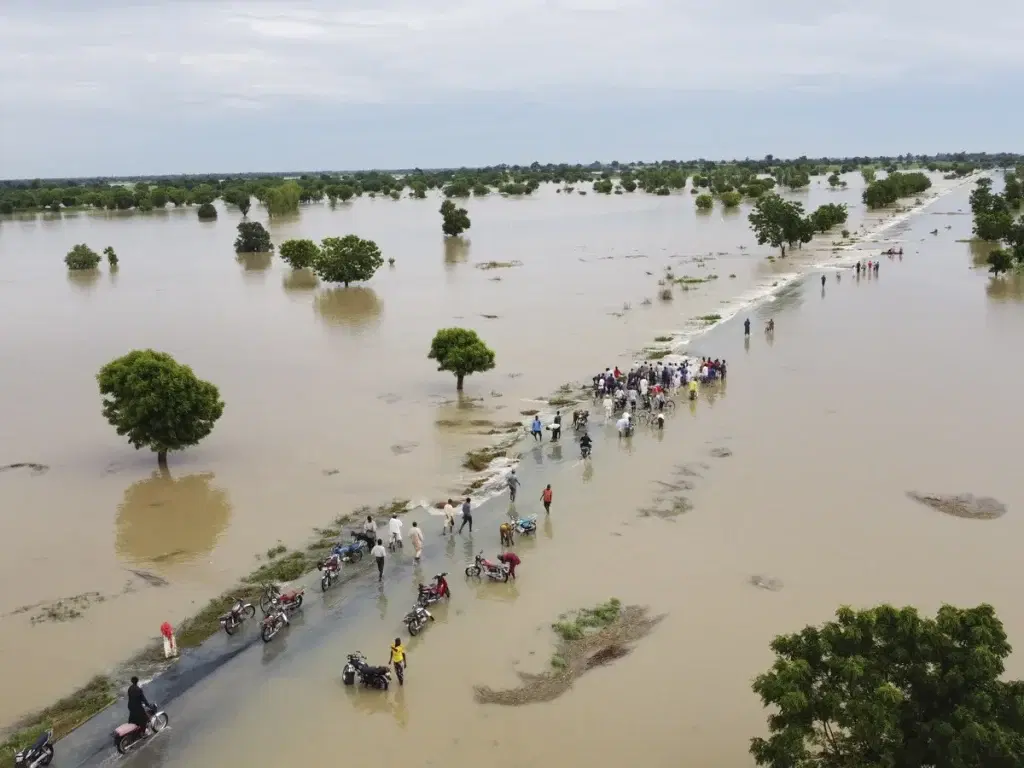
Severe flooding and storms have devastated agriculture and businesses in Ebonyi communities, submerging farmlands and destroying crops. The damage is estimated to be worth millions of naira.
Nasarawa's $400 million initiative aims to position Nigeria as Africa's leading hub for critical minerals. The federal government has praised the firm for its environmentally friendly measures.