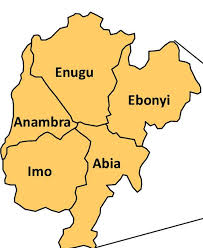
The stark contrast between the wealth generated by the Igbo people and the underdevelopment of the South-East region underscores a significant economic paradox. Despite being home to numerous entrepreneurs and billionaires, the region struggles with inadequate infrastructure, poor investment climate, and insufficient government support. This disparity raises questions about resource allocation and policy effectiveness.
Chuka Nnabuife, a prominent economic analyst, notes, "The potential of the South-East remains untapped due to systemic neglect and mismanagement." The region's industrious spirit is evident in its vibrant markets and businesses, yet these efforts are stifled by infrastructural deficits and a lack of strategic planning from both state and federal governments. The absence of a coherent development strategy exacerbates the wealth paradox, limiting the benefits of Igbo entrepreneurship to local communities.
Looking forward, there is a pressing need for targeted policies that prioritize infrastructure development and foster a business-friendly environment in the South-East. By leveraging its entrepreneurial spirit, the region could transform its economic landscape, ensuring that wealth creation translates into tangible growth for its people.