PETROAN sees gas prices easing as Magnus Abe takes helm at NUPRC
PETROAN anticipates a decrease in domestic gas prices following Magnus Abe's appointment at NUPRC. This change could positively impact consumers in the near term.
Live intelligence from 10+ verified Nigerian and UK sources
PETROAN anticipates a decrease in domestic gas prices following Magnus Abe's appointment at NUPRC. This change could positively impact consumers in the near term.
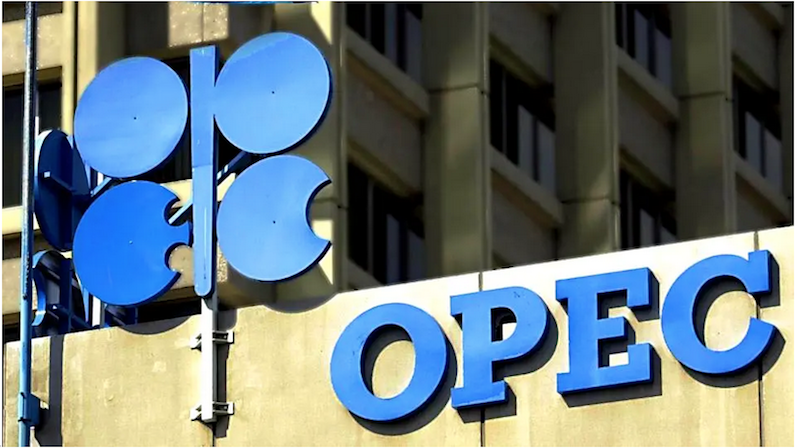
The UAE has clarified that its exit from OPEC is not aimed at any specific country, particularly Saudi Arabia. This move is part of a strategy to enhance its economic resilience.
Jobberman emphasizes the importance of linking job seekers with employers for Nigeria's economic growth. This connection is crucial for enhancing the country's labor market.
Nigeria's economy is showing signs of recovery after years of challenges, according to a new report. The findings highlight a positive trajectory towards achieving a trillion-dollar economy.
NIMENA advocates for the establishment of local marine standards to enhance Nigeria's blue economy. This initiative aims to maximize the country's marine resources and promote sustainable development.
Nestoil's failure to meet its financial obligations is causing significant strain on Nigerian banks, halting dividend payments for UBA, First Bank, and Access Bank. This situation raises concerns about the stability of the banking sector amid high exposure to the oil and gas industry.
Turkey's inflation rate has risen to 32.37% in April, continuing a trend of double-digit inflation since 2019. The country has faced annual inflation above 30% for four consecutive years.
OPEC has announced an increase in oil output by 188,000 barrels per day starting in June. This decision follows the group's first meeting after the departure of the United Arab Emirates as a key member.
The President of the Nigeria Agribusiness Group emphasizes that enhancing value addition in agriculture is essential for improving food security and reducing poverty in Nigeria. This approach is seen as a vital strategy for unlocking the country's agricultural wealth.
A suspected hantavirus outbreak on a cruise ship has resulted in three deaths. Meanwhile, China has opened trade with Africa tariff-free, which could enhance economic relations.
Asian stocks saw gains while oil prices remained stable amid new proposals from the Gulf. Brent crude futures slightly increased, indicating a cautious optimism among investors.
Nigeria's goal of becoming a $1 trillion economy is threatened by ongoing failures at the state level. The success of this ambition hinges on addressing these critical issues.
The Nigerian Naira has shown stability against the US Dollar at the start of May 2026. This performance is noted across various segments of the foreign exchange market.
Methane emissions in the energy sector remain near record highs, according to the IEA. Addressing this issue could unlock significant gas supplies for international markets amid ongoing geopolitical tensions.
In April 2026, the Nigerian stock market saw significant gains, with investors earning N26.5 trillion. The market capitalization reached N155.7 trillion, reflecting strong buying momentum across key sectors.
The Strait of Hormuz is crucial for global oil shipping, impacting food security worldwide. Its blockade could have significant repercussions for economies reliant on oil and food imports.
The blockade of the Strait of Hormuz poses significant risks to global food security by disrupting shipping routes. This situation could lead to increased food prices and shortages worldwide.
Nigeria's public debt has surged since President Bola Ahmed Tinubu took office, raising questions about its impact. The article explores what this increase in debt has financed and its implications for the economy.
Nigeria's public debt has surged since President Bola Ahmed Tinubu took office, raising questions about the benefits of this increase. Analysts are scrutinizing what the new debt has financed and its implications for the economy.
A Nigerian village previously overlooked by oil is experiencing an economic boom thanks to solar power. Renewvia Solar is expanding its operations to meet the growing demand in the community.
The Central Bank of Nigeria has reduced the Monetary Policy Rate to 26.50%, leading to a decline in banks' deposits to N92.32 trillion. This change reflects the ongoing adjustments in Nigeria's monetary policy landscape.
OPEC has announced an increase of 188,000 barrels per day in oil output for June. Fitch believes there will be no immediate impact from the UAE's exit from the cartel.
Exxon Mobil and Chevron reported significant drops in their Q1 earnings despite high oil prices. The declines are attributed to stalled crude oil deliveries and supply disruptions in the Middle East.
Currency outside banks and currency in circulation have both declined for the second month in a row. This trend indicates a gradual return of liquidity into the economy.
Nigeria's exports have seen a remarkable 38.68% increase in non-oil trade for Q1 2026, according to new customs data. This surge indicates strong revenue growth for the country.
The privatisation of Nigeria's power sector was expected to improve efficiency but has led to consumer exploitation. Many Nigerians feel trapped in a paradox as they face ongoing challenges with electricity distribution companies (DISCOs).
Nigeria anticipates substantial foreign exchange gains as crude oil prices exceed $105 per barrel. This surge is expected to enhance revenue and strengthen the naira.
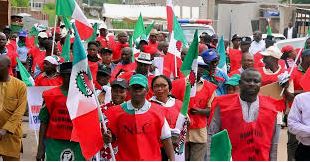
Organised Labour is signaling a significant change in minimum wage negotiations, aiming for a system that aligns with current economic conditions. This approach may lead to more flexible wage structures rather than fixed amounts.
OPEC+ has raised the oil production quota for its member countries to help stabilize the global oil market. This decision aims to address fluctuations and ensure a more balanced supply.
The ICRC has praised President Bola Tinubu for resolving the MMA2 concession issue, which is expected to boost investor confidence. This resolution marks a significant step in improving Nigeria's infrastructure investment climate.