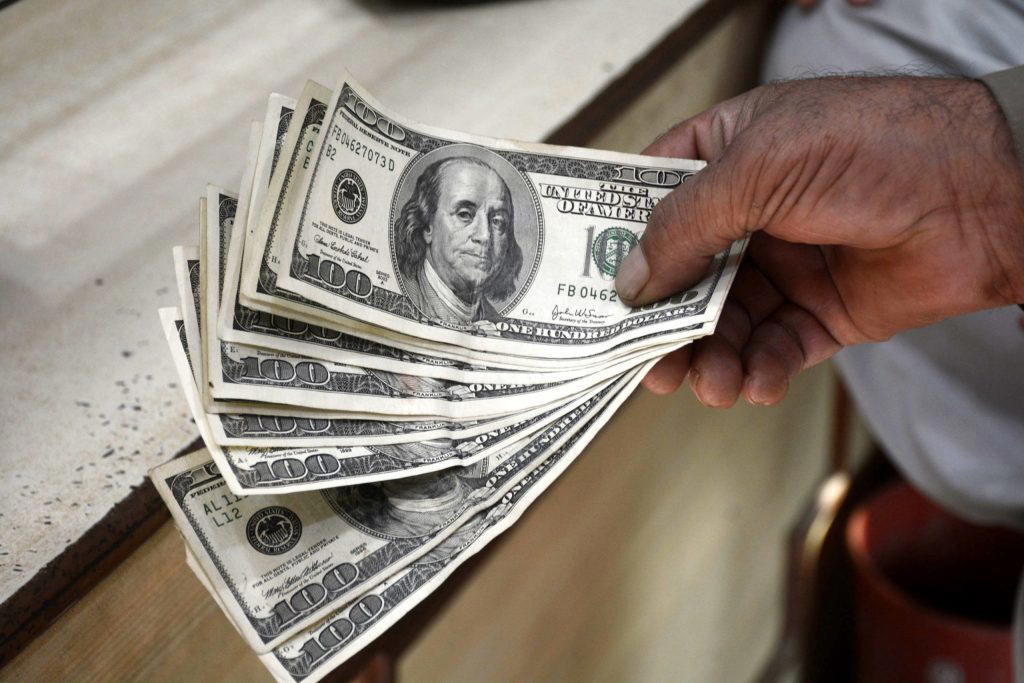
The Nigerian Naira has demonstrated surprising stability against the US Dollar as May 2026 begins, a notable shift in the foreign exchange landscape. Analysts attribute this performance to recent monetary policies implemented by the Central Bank of Nigeria, aimed at curbing inflation and stabilizing the currency. The Naira has largely maintained its value across various market segments, including the parallel market, where it previously faced significant volatility.
Economist Dr. Chijioke Okwudili commented, "The current stability can be directly linked to the Central Bank's proactive measures and the recent influx of remittances, which are bolstering the Naira's position." This influx has contributed to improved liquidity, providing a buffer against external economic pressures.
Looking ahead, the sustainability of this stability remains uncertain. Experts warn that geopolitical tensions and fluctuating oil prices could still pose risks to the Naira's performance. As Nigeria navigates these challenges, the effectiveness of the Central Bank's strategies will be crucial in maintaining this newfound strength, with stakeholders keenly monitoring developments in both domestic and global markets.