The recent escalation in U.S.-Iran tensions has prompted the U.S. to implement expanded sanctions targeting Iran's oil and cryptocurrency sectors. This decision follows four consecutive days of U.S. military strikes against Iranian positions and a renewed naval blockade, which have triggered retaliatory attacks by Iran on vessels in the strategic Strait of Hormuz, as reported by the International Maritime Organization.
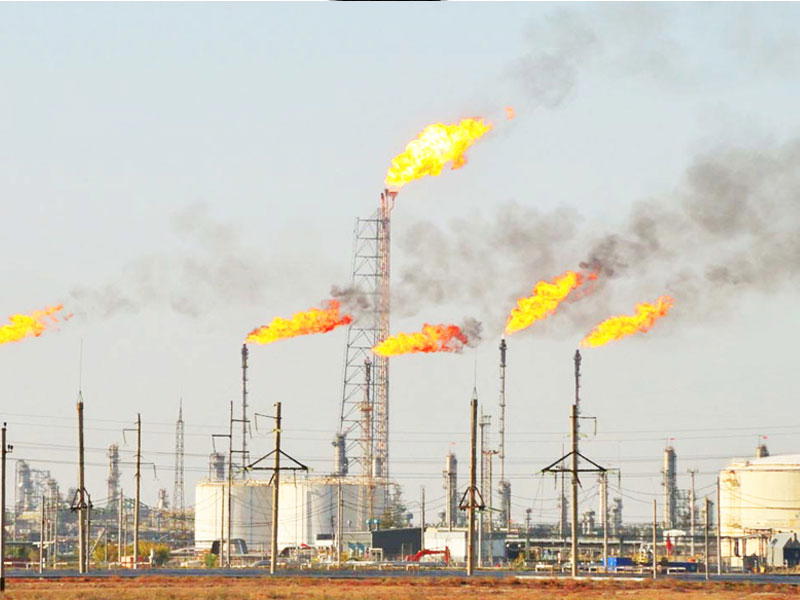
The sanctions aim to curb Iran's economic capabilities, particularly in oil exports which are essential for its economy. U.S. Secretary of State Antony Blinken stated, "These actions are necessary to protect global maritime commerce and counter Iran's destabilizing activities." The sanctions are expected to exacerbate Iran's economic woes, potentially leading to heightened regional instability.
As the situation develops, the implications for global oil markets and regional security remain profound. With Iran's response likely to be aggressive, including potential disruptions in maritime routes, the international community must brace for further strife. The ongoing conflict underscores the fragile nature of geopolitical stability in the region, raising questions about future diplomatic engagements and long-term strategies to mitigate the risks of escalation.