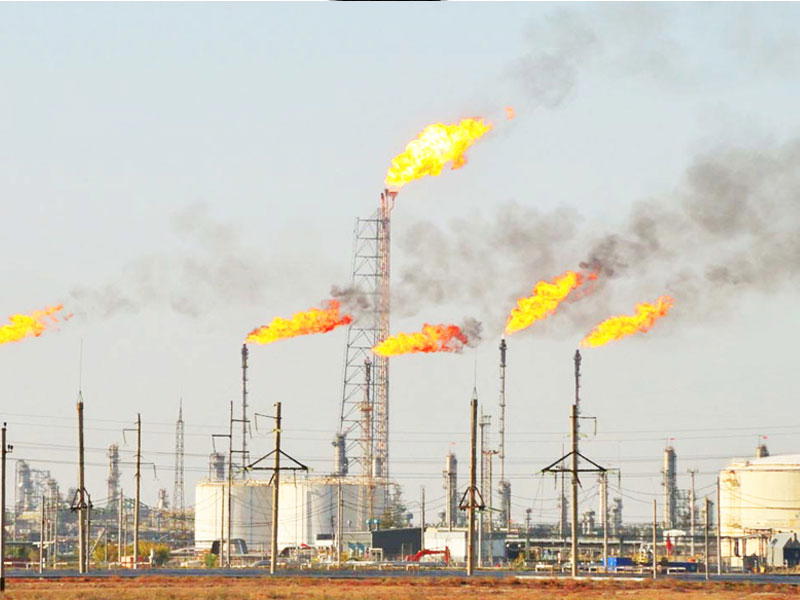
The recent expansion of U.S. sanctions against Iran's oil and cryptocurrency sectors marks a significant escalation in economic pressures aimed at curbing Tehran's influence in the region. Following Iran's provocative actions in blocking the Strait of Hormuz, a critical passage for global energy transit, the U.S. has intensified its measures after a series of confrontations with Israel earlier this year. The initial blockade from mid-April to mid-June served as a precursor to these expanded sanctions.
The sanctions target key industries that provide substantial revenue for Iran, with the U.S. Treasury Department emphasizing the need to disrupt financing for activities deemed destabilizing. "Our commitment to holding Iran accountable remains steadfast," stated John Smith, a senior official at the Treasury. This statement underscores the Biden administration's strategy of using economic tools to counteract perceived threats from Tehran.
As the situation unfolds, the sanctions may have broader implications for global oil markets and geopolitical dynamics in the Middle East. With Iran's economic resilience under scrutiny, the coming months will be critical in determining how Tehran responds and whether diplomatic avenues can be explored amidst rising tensions.