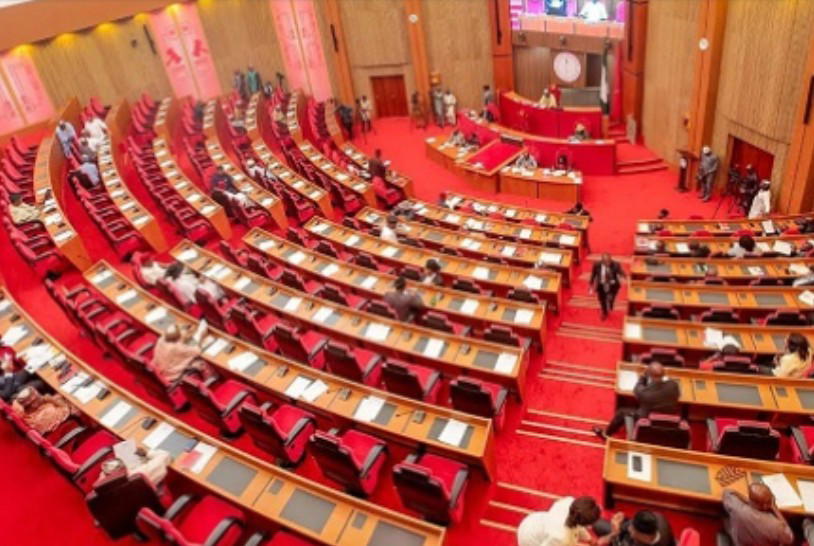
The recent passage of the State Police Bill by Nigeria's Senate marks a significant step towards decentralizing law enforcement in the country. This legislation, which aims to establish state police forces, has been framed by lawmakers as a reflection of national consensus rather than mere political maneuvering. The Senate emphasized that the bill addresses pressing security challenges faced by various states, allowing for localized responses to crime.
Senator Ahmad Lawan, President of the Senate, stated, "This bill is a testament to our commitment to ensuring the safety and security of our citizens through a structure that understands local dynamics." The push for state police has gained momentum in recent years, driven by rising insecurity and calls for more responsive governance. Supporters argue that state police can enhance accountability and adaptability in addressing regional issues.
Looking forward, the implementation of the State Police Bill will require careful consideration of funding, training, and oversight to ensure effectiveness and mitigate risks of abuse. As Nigeria grapples with security concerns, the success of this initiative could redefine the relationship between citizens and law enforcement, potentially transforming the security landscape across the nation.