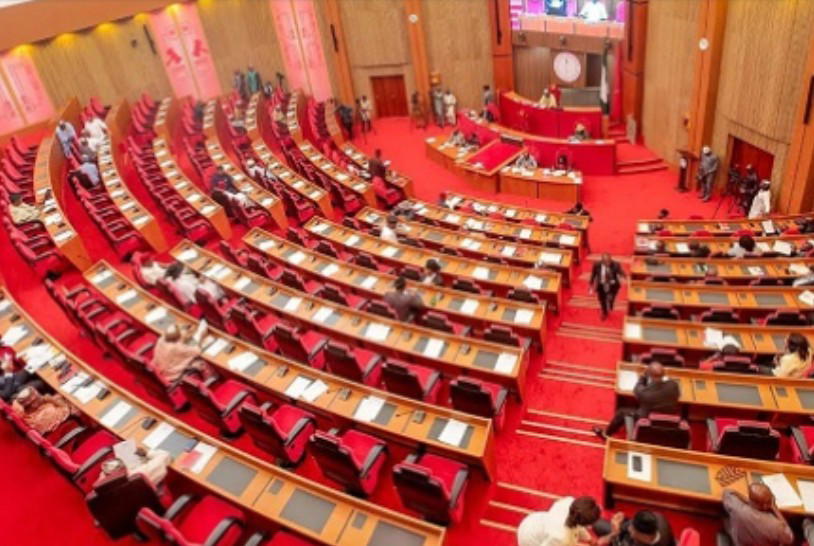
The recent passage of the State Police Bill, 2026, by the Senate highlights a significant shift in Nigeria's approach to security governance, framing the initiative as a product of national consensus rather than political maneuvering. This legislation comes amid escalating calls for enhanced local policing to address rising insecurity, particularly in regions plagued by violence and crime.
Senate President Ahmed Lawan emphasized the bill's foundation in collective national interest, stating, "This is not about politics; it is about the security of our people and the need for tailored solutions to our unique challenges." The Senate argues that state police will empower local authorities to respond more effectively to security threats, reflecting a growing awareness of the inadequacies of a centralized policing model.
As Nigeria navigates complex security dynamics, the establishment of state police may signal a new era in law enforcement, promoting accountability and responsiveness to community needs. However, the real test will lie in the implementation of this framework and its capacity to foster genuine safety and trust among citizens. The coming months will be crucial in determining the bill's impact and efficacy across the nation.