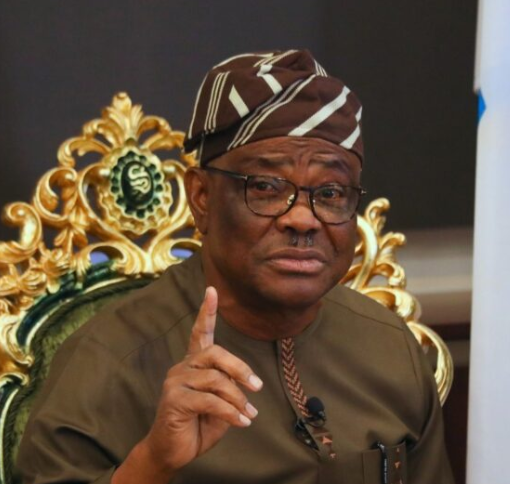
The PFIPC scandal has ignited a fierce political debate in Nigeria, with Rivers State Governor Nyesom Wike challenging Senator Adeyemi to substantiate his allegations against Chief of Staff Gbajabiamila. Wike criticized Adeyemi for evading responsibility, urging him to confront the chief of staff and security agencies directly if his claims hold merit. “If it was indeed correct, eyeball to eyeball, go to the security,” stated Wike, emphasizing the need for accountability.
This scandal comes at a time when public trust in government officials is waning, exacerbated by rampant corruption and inefficiency. The allegations against Gbajabiamila, if proven true, could have serious implications for his position and broader political dynamics within the ruling party. Wike's call for direct confrontation reflects a growing demand for transparency and responsibility among Nigeria's leadership.
As the political landscape evolves, the resolution of this scandal could set a precedent for how allegations of corruption are handled, potentially influencing public perception of governance in Nigeria. With elections on the horizon, the pressure mounts on officials to either clear their names or face the consequences of their actions.