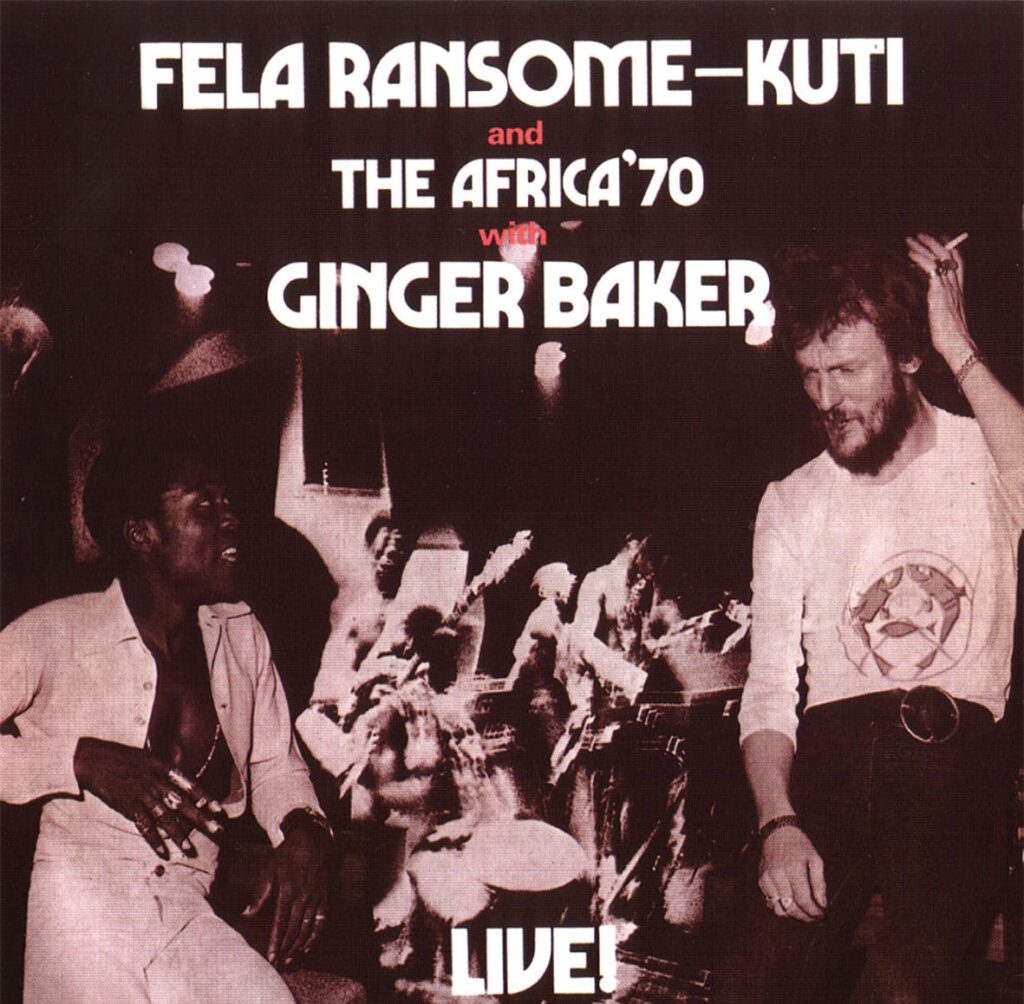
Ginger Baker's recent journey to Lagos reveals the intricate interplay between music and politics in Nigeria, particularly through the lens of Fela Kuti's influential Afrobeat. Known for his daring drumming style, Baker sought to immerse himself in the rhythms of Lagos, only to confront a landscape rife with political tension and cultural upheaval. The vibrant sounds he yearned for are deeply intertwined with the socio-political fabric of the nation, where music often serves as a form of resistance.
Fela Kuti's legacy looms large, representing not just a musical genre but a political movement. As music producer Tunde Adebimpe noted, "In Nigeria, the rhythm is not just for dancing; it’s a heartbeat of activism." This underscores how artists like Kuti used their platforms to challenge authority and inspire change, making Baker's quest for rhythm emblematic of a broader struggle.
Looking ahead, the fusion of music and politics in Nigeria will likely continue to evolve, with international artists drawn to its dynamic landscape. As Baker's experiences unfold, they may spark renewed interest in the role of music as both art and activism in an increasingly complex world.