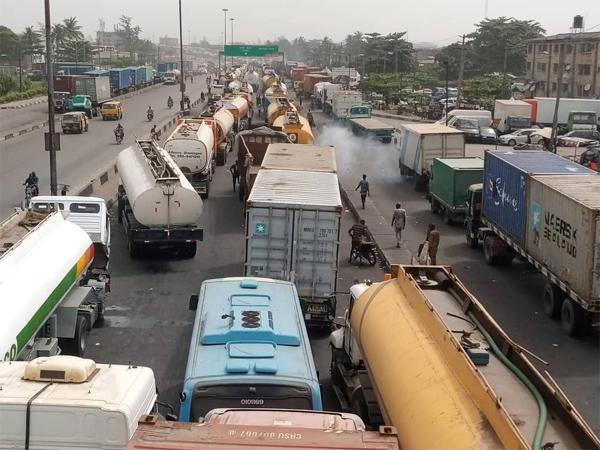
The persistent gridlock in Apapa and Kirikiri, key port areas in Lagos, has reached critical levels, crippling economic activities and raising serious concerns among stakeholders. A combination of oil cartels, independent petroleum marketers, tanker operators, and enforcement agencies has been identified as the primary culprits behind the chaos. The situation is exacerbated by the lack of effective regulatory oversight and the refusal of enforcement agencies to act decisively against illegal activities.
According to Adeola Okunola, a representative from the National Union of Petroleum and Natural Gas Workers, "The collaboration between these groups has created a perfect storm, making it nearly impossible for legitimate operations to proceed." This highlights the urgent need for a coordinated response to tackle the underlying issues contributing to the gridlock.
As the government continues to grapple with this persistent challenge, there is a pressing need for comprehensive reforms. Implementing strict regulations and fostering collaboration between enforcement agencies and transport unions could pave the way for a more efficient logistics framework. Without prompt action, the economic implications for Lagos and Nigeria could be severe, threatening the country’s growth trajectory.