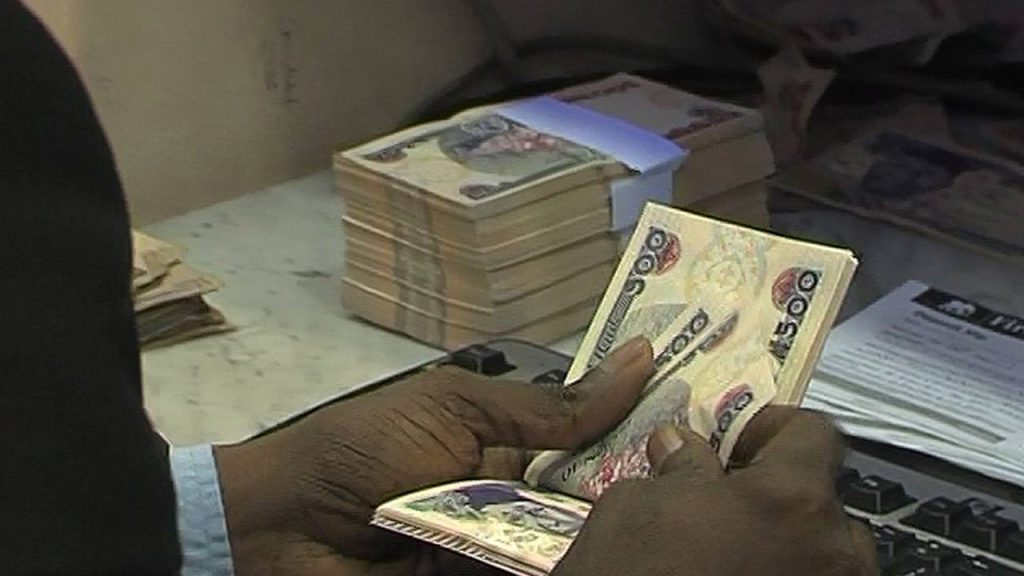
Nigeria's staggering annual expenditure of $6 billion on imported clothing underscores a critical vulnerability in its economy and the textile sector. Despite its rich history in textile production, the country grapples with severe infrastructural deficiencies and trade malpractices that hinder local manufacturers. The government has recognized these challenges, emphasizing the need for systemic reforms to revitalize domestic production.
"Unless we address the issues of poor infrastructure and unfair trade practices, we will continue to drain our foreign reserves," stated Adebayo Ogunleye, Director of the Nigerian Textile Manufacturers Association. This sentiment reflects a growing consensus that revitalizing the local industry is essential not only for economic stability but also for job creation in a country with high unemployment rates.
Looking ahead, stakeholders urge the government to implement policies that promote local production and reduce dependency on imports. Initiatives such as improving infrastructure, offering incentives to local manufacturers, and enforcing fair trade practices will be crucial. By addressing these underlying issues, Nigeria can potentially transform its textile industry from a liability into a robust sector that contributes significantly to the national economy.