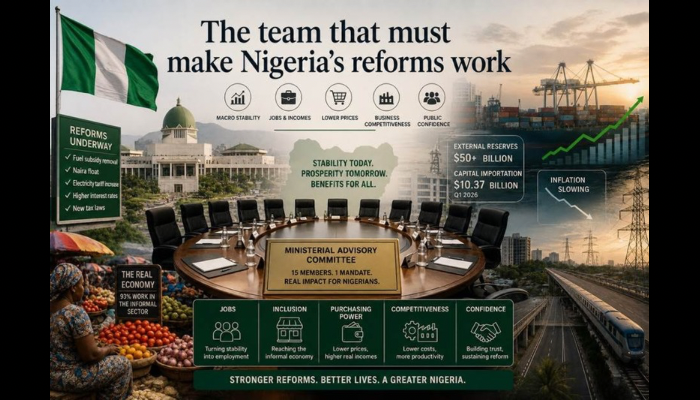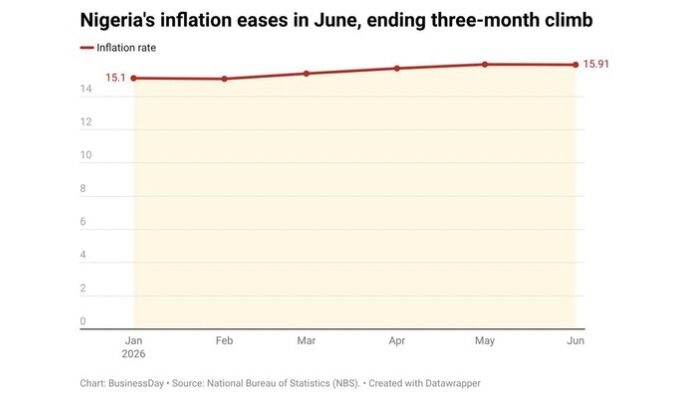
Nigeria's inflation crisis has evolved from a simple rise and fall of prices to a persistent challenge that tests the limits of the Central Bank of Nigeria's (CBN) monetary policy. As of July 2026, inflation rates continue to hover around alarming levels, driven by global supply chain disruptions, currency fluctuations, and rising food prices. The CBN faces difficult decisions, balancing the need to curb inflation without stifling economic growth.
Recent comments from Godwin Emefiele, the CBN Governor, underscore this dilemma: "We understand the urgency of the situation, but our tools are limited. We must tread carefully." Stakeholders worry that aggressive interest rate hikes could deter investment and exacerbate unemployment.
Looking ahead, the CBN's strategy may need to shift from reactive measures to long-term solutions, including structural reforms to address the underlying issues fueling inflation. If Nigeria is to stabilize its economy, the CBN must navigate these turbulent waters with precision, balancing immediate inflation control with sustainable growth strategies. The coming months will be crucial as Nigeria seeks to regain economic stability.