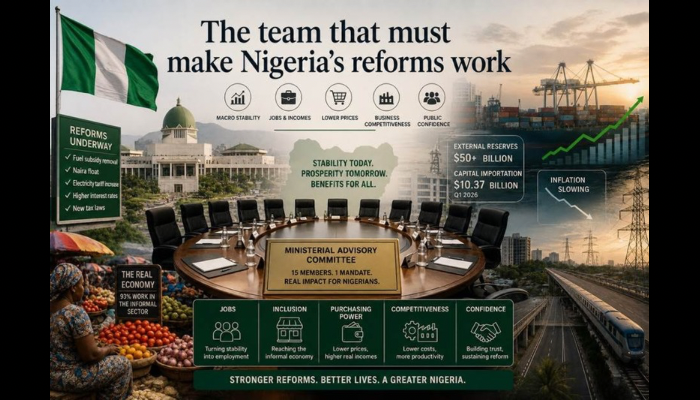
Nigeria stands at a critical juncture as it embarks on ambitious economic reforms aimed at revitalizing a struggling economy. Amidst soaring inflation and dwindling foreign investment, the government is tasked with implementing strategies that could foster sustainable growth. Recent policy shifts prioritize transparency, infrastructure development, and diversification away from oil dependency, yet skepticism remains regarding their effectiveness.
Key stakeholders, including Finance Minister Wale Edun, emphasize the urgency of these reforms. "For Nigeria to thrive, we must embrace change and prioritize accountability in our economic policies," Edun stated, underscoring the necessity for collective commitment from both the government and private sector. The challenge lies not just in crafting sound policies but in ensuring their execution aligns with the aspirations of ordinary Nigerians.
Looking ahead, the success of these reforms hinges on political will and public trust. As Nigeria navigates this transformative period, the path forward will require resilience and collaboration among all sectors. The potential for economic revitalization exists, but it demands unwavering dedication to the principles of good governance and inclusive growth.

