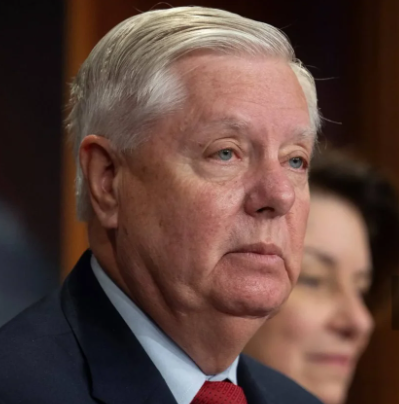
Lindsey Graham, the controversial U.S. senator known for his hawkish stance on foreign policy, has died at the age of 71. Graham, who served in the Senate for nearly two decades, was a prominent advocate for military interventions, particularly those aligned with U.S. support for Israel. His passing marks the end of an era defined by aggressive foreign policy rhetoric, particularly amid ongoing geopolitical tensions.
Graham’s influence was palpable in U.S. military engagement decisions, often advocating for intervention in conflicts across the Middle East. "His commitment to a strong national defense and unwavering support for our allies will be deeply missed," said Senate Majority Leader Chuck Schumer. This sentiment underscores the mixed legacy Graham leaves behind—one that sparked both fervent support and fierce criticism.
As the U.S. navigates an increasingly complex global landscape, Graham's absence raises questions about the future direction of American foreign policy. With emerging leaders in Congress, there may be a shift in how the U.S. engages with international conflicts, particularly in the volatile regions Graham championed. The void left by Graham could reshape debates around military intervention and diplomacy for years to come.