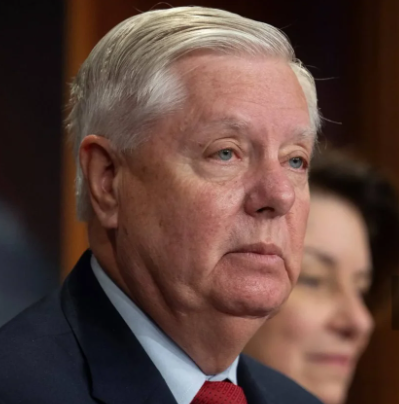
The unexpected death of Senator Lindsey Graham at 71 marks a significant loss for the Republican Party and the broader political landscape of the United States. His office announced the news following a “brief and sudden illness,” prompting an outpouring of tributes from colleagues and political allies. Known for his close relationship with former President Donald Trump, Graham was a pivotal figure in shaping GOP policies and strategies.
Graham's career in the Senate spanned nearly two decades, characterized by his advocacy for military funding and immigration reform. He often navigated the complexities of bipartisan collaboration while maintaining party loyalty. "Lindsey was not just a senator; he was a friend and a steadfast advocate for our values," stated Senate Minority Leader Mitch McConnell. The void left by Graham’s passing may alter the dynamics of Senate negotiations, especially as the 2024 elections approach.
As the nation mourns, Republican leaders face the challenge of filling his seat and addressing the ideological shifts within the party. Graham's legacy will undoubtedly influence upcoming political debates, shaping the direction of the GOP in a rapidly evolving political environment.