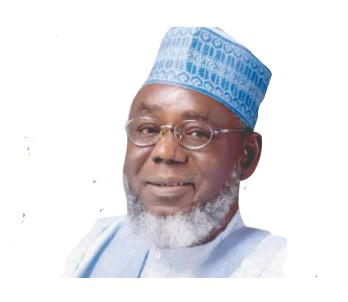
Nigeria's persistent instability is deeply intertwined with its complex religious landscape, a challenge that leaders must address to foster national unity. In a recent analysis, former governor and political analyst Dansadau emphasized the importance of interfaith governance in stabilizing the nation. He pointed to the era of former President Olusegun Obasanjo, who skillfully managed Nigeria’s diverse religious affiliations, stating, "With Obasanjo, no single faith controlled security, law, the economy, or diplomacy. This was interfaith governance without religious vocabulary."
The current leadership must recognize that religious differences can either fragment or strengthen a nation, depending on how they are managed. Increasing sectarian tensions threaten security and economic development, making inclusive governance crucial. The challenge lies in creating structures that embrace Nigeria’s religious diversity while ensuring equitable distribution of resources and power.
Looking ahead, leaders who prioritize dialogue and mutual respect among faith communities can pave the way for a more stable and prosperous Nigeria. By fostering an environment where all religious groups feel represented and valued, the nation can move towards greater cohesion and resilience in the face of its inherent challenges.