The recent Ebola outbreak in the Democratic Republic of Congo presents a dire economic forecast for Africa, with potential losses reaching $3.6 billion, according to a UN report. This outbreak not only threatens public health but also jeopardizes tens of thousands of jobs, amplifying the region's existing vulnerabilities.
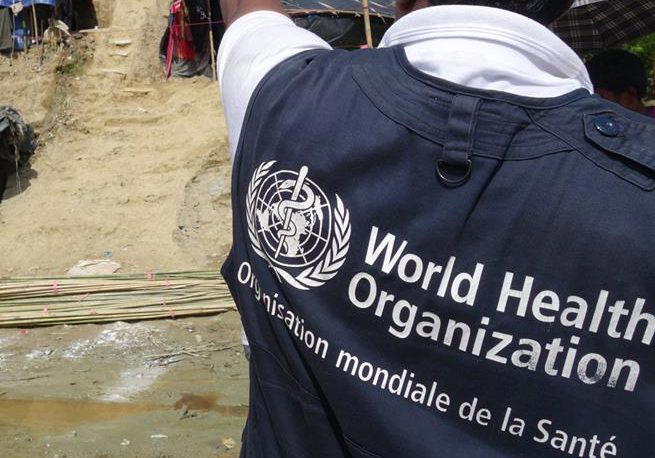
The World Health Organization has noted that the outbreak, which has already claimed lives, could hinder economic recovery efforts across the continent, particularly in the affected areas. Local economies, heavily reliant on agriculture and trade, face severe disruptions as fear and travel restrictions set in. "We must act swiftly to contain this outbreak and support those affected," stated Dr. Matshidiso Moeti, WHO Regional Director for Africa. The urgency for coordinated international assistance is evident, as past outbreaks have shown that swift action can mitigate both health and economic fallout.
As the situation unfolds, the long-term implications for Africa’s economic landscape could be profound. The need for robust healthcare infrastructure and economic resilience has never been clearer, highlighting the importance of proactive measures to prevent future outbreaks.