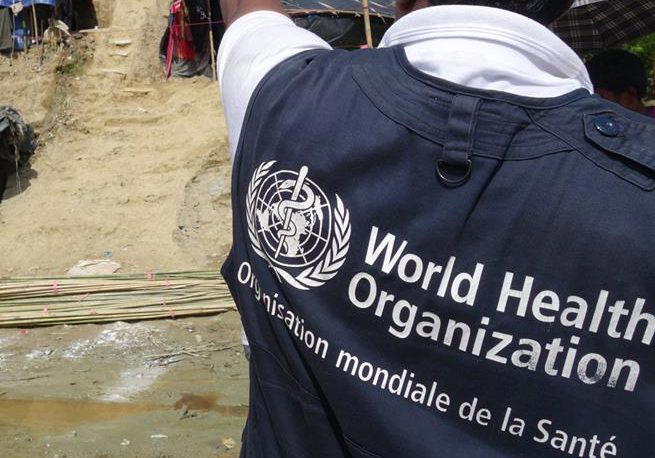
The resurgence of cholera in Sudan, resulting in 120 deaths, highlights a worsening public health crisis exacerbated by ongoing instability. The World Health Organization reported that this is Sudan's third cholera wave in just three years, emerging shortly after the last outbreak was declared over in March. Poor sanitation and limited access to clean water continue to fuel the spread of this preventable disease, particularly in conflict-affected regions.
Health authorities are grappling with the challenges of a fractured healthcare system, which has been severely impacted by years of political unrest and economic decline. Dr. Ahmed Al-Mahdi, a spokesperson for the Sudanese Ministry of Health, stated, "We are in a race against time to provide urgent assistance and prevent further loss of life." Efforts to control the outbreak are hampered by logistical constraints, including supply shortages and inadequate infrastructure.
As the international community watches closely, the situation underscores the need for a comprehensive approach to improve water and sanitation facilities in Sudan. Without immediate intervention and sustained support, the cycle of cholera outbreaks is likely to persist, posing a significant threat to public health and stability in the region.