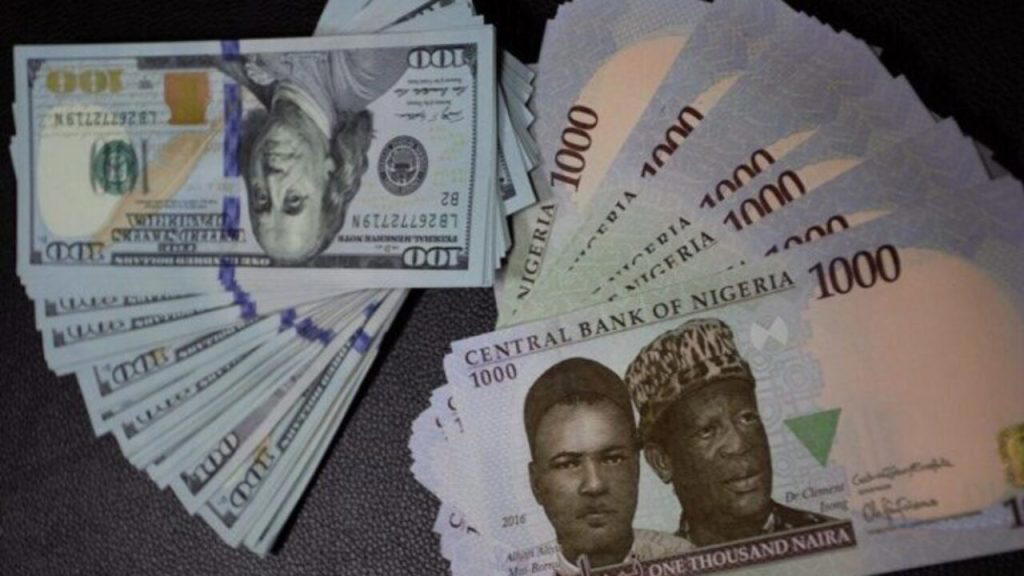
On May 22, 2026, the Nigerian Naira exhibited notable stability against the United States Dollar, reinforcing a trend observed in recent weeks across both official and parallel market exchanges. This steadiness comes as Nigeria grapples with economic challenges, including inflation and fluctuating oil prices, which have traditionally impacted currency valuations.
The Central Bank of Nigeria has implemented measures aimed at bolstering the Naira, including tighter foreign exchange controls and interventions in the forex market. "Our goal is to ensure a stable currency that supports economic growth and protects the purchasing power of Nigerians," stated Godwin Emefiele, Governor of the Central Bank. This proactive approach has contributed to investor confidence, which is crucial for the nation’s economic recovery.
Looking ahead, analysts suggest that while the current stability is promising, external factors such as global economic shifts and oil market dynamics could pose risks to the Naira's resilience. Continued monitoring of these variables will be essential as Nigeria navigates its fiscal landscape, laying the groundwork for sustainable growth amid ongoing economic reforms.