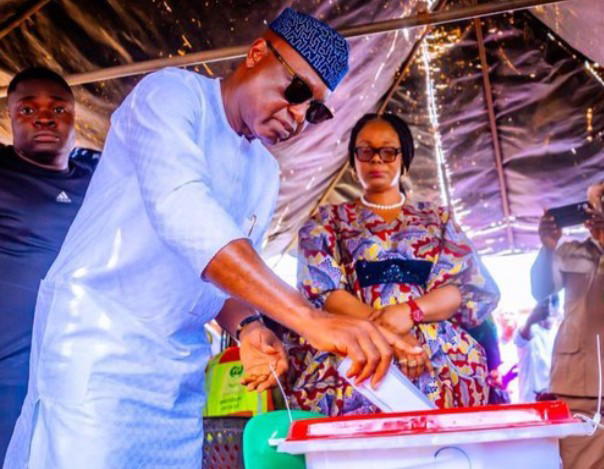
Nigeria's struggle with electoral integrity poses a significant challenge to its democratic evolution. Despite recent reforms aimed at enhancing transparency, the 2026 elections revealed persistent issues, including voter intimidation and irregularities in vote counting. These problems undermine public trust, and experts emphasize the necessity of robust mechanisms to safeguard electoral processes.
Prof. Mannixs E. Paul highlights the critical nature of trust in democracy, stating, "Votes are not merely counted; they are trusted, protected, and upheld." This sentiment reflects a broader call from civil society for reforms that extend beyond mere statistics to ensure voters feel secure in their choices.
Looking ahead, Nigeria's commitment to rebuilding electoral integrity will be pivotal. Implementing technology-driven solutions and fostering civic engagement can enhance transparency and restore faith in the electoral system. The path to a truly democratic Nigeria hinges on addressing these foundational issues, ensuring that the electorate's voice is not only heard but also respected. As the nation approaches future elections, prioritizing these reforms will be essential to achieving a resilient democratic framework.