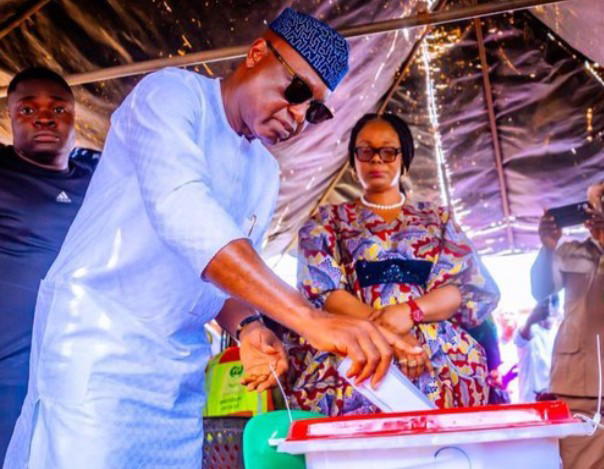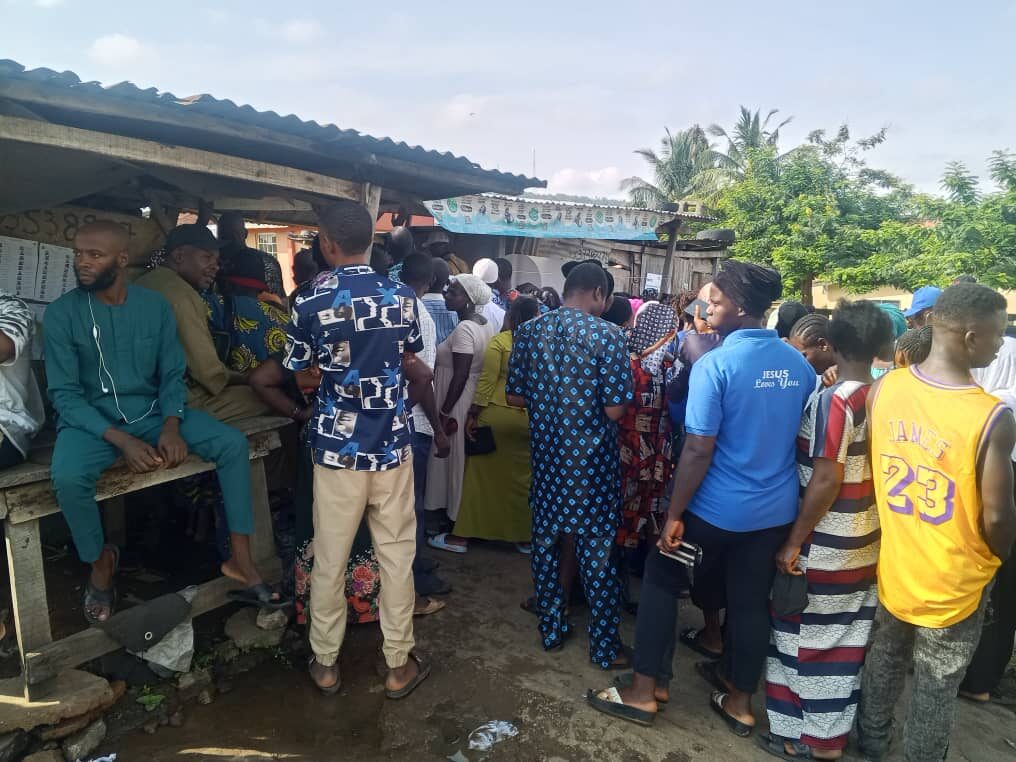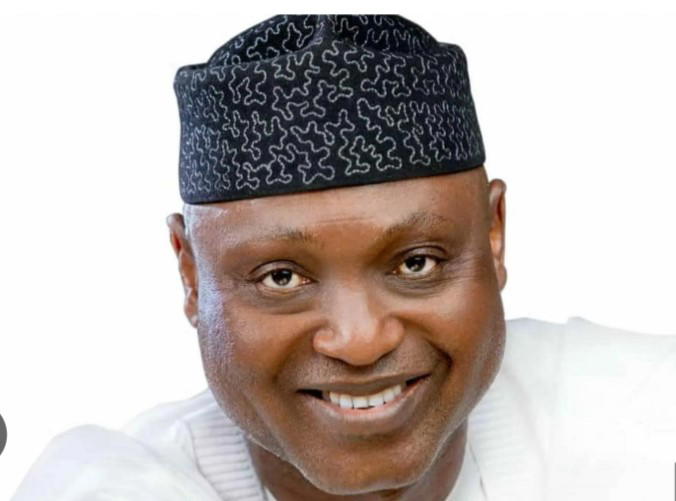
In a robust defense of his recent re-election, Ekiti State Governor Biodun Oyebanji has downplayed the significance of social media criticism, asserting that such commentary lacks real-world electoral impact. Following his victory, Oyebanji faced scrutiny online, particularly regarding governance issues and campaign promises. Yet, he remains unfazed, emphasizing that “there are no polling units on social media,” suggesting that true voter sentiment is best gauged through direct electoral participation rather than digital discourse.
This statement underscores a broader trend in Nigerian politics, where social media has become a battleground for public opinion, but often falls short in influencing traditional voting behavior. Oyebanji's remarks reflect a growing sentiment among politicians who perceive online critics as disconnected from the realities faced by voters at the grassroots level.
Looking ahead, as the political landscape continues to evolve, the challenge for leaders will be to engage with both traditional and digital platforms effectively. The increasing importance of social media in shaping narratives means that dismissing online criticism could backfire, potentially alienating a segment of the electorate that increasingly values digital engagement.