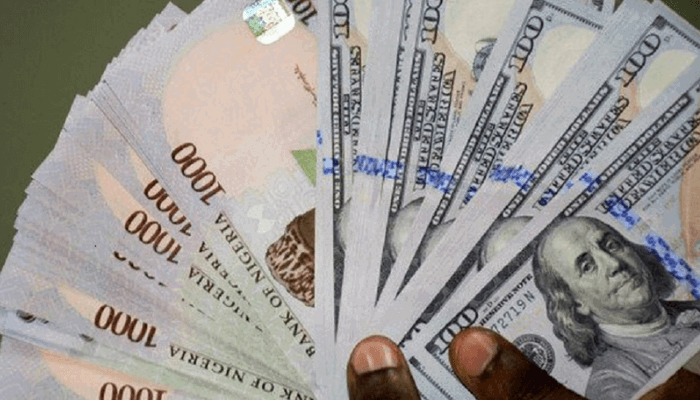
Nigeria's consumer credit experienced a significant decline of N780 billion in February 2026, underscoring the impact of high borrowing costs despite a backdrop of improving economic conditions. As interest rates remain elevated, consumers are increasingly hesitant to take on debt, leading to a contraction in spending that could stifle economic growth.
The Central Bank of Nigeria has maintained a tight monetary policy to combat inflation, which, while aimed at stabilizing the economy, has made loans more expensive for consumers and businesses alike. According to Dr. Chijioke Okoro, an economist at the Nigerian Economic Summit Group, “The surge in borrowing costs is a double-edged sword; while it controls inflation, it also hampers consumer spending and investment capacity.” This sentiment reflects a growing concern among economists about the long-term implications of sustained high interest rates.
Looking ahead, Nigeria faces a critical juncture. Policymakers must balance the need for inflation control with the necessity of fostering an environment conducive to consumer lending and spending. Without a strategic shift, the current trajectory could hinder broader economic recovery efforts and consumer confidence in the months to come.