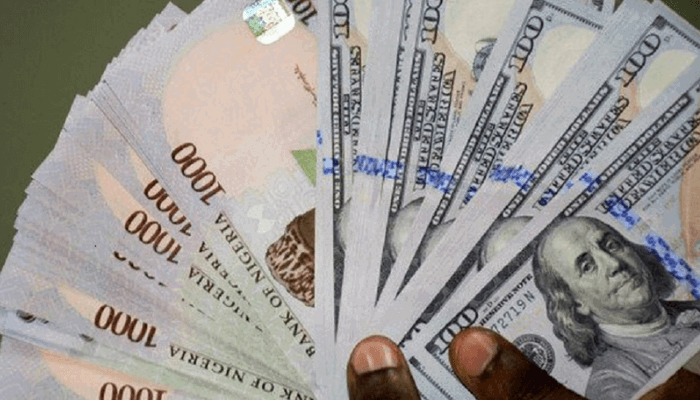
The Nigerian Naira plunged to N1,395 against the dollar in the parallel market on June 30, marking a notable decline from N1,386 just a week prior. This depreciation reflects ongoing economic pressures, including inflation and dwindling foreign reserves, which have made the Naira increasingly vulnerable in informal trading spaces.
Market analysts attribute the decline to a lack of confidence in the government's monetary policies, which have struggled to stabilize the currency. "The ongoing uncertainty in Nigeria's economic landscape is driving traders to seek refuge in the dollar, exacerbating the Naira's downward spiral," stated Dr. Adaobi Nwosu, an economist at the Centre for Economic Research.
As the currency continues to weaken, the implications for everyday Nigerians are severe, with rising costs of imported goods and potential inflationary pressures looming. Looking ahead, the government must adopt more robust fiscal measures and enhance investor confidence to stem further depreciation. Without decisive action, the Naira's decline could threaten economic stability and deepen the financial hardships faced by millions.