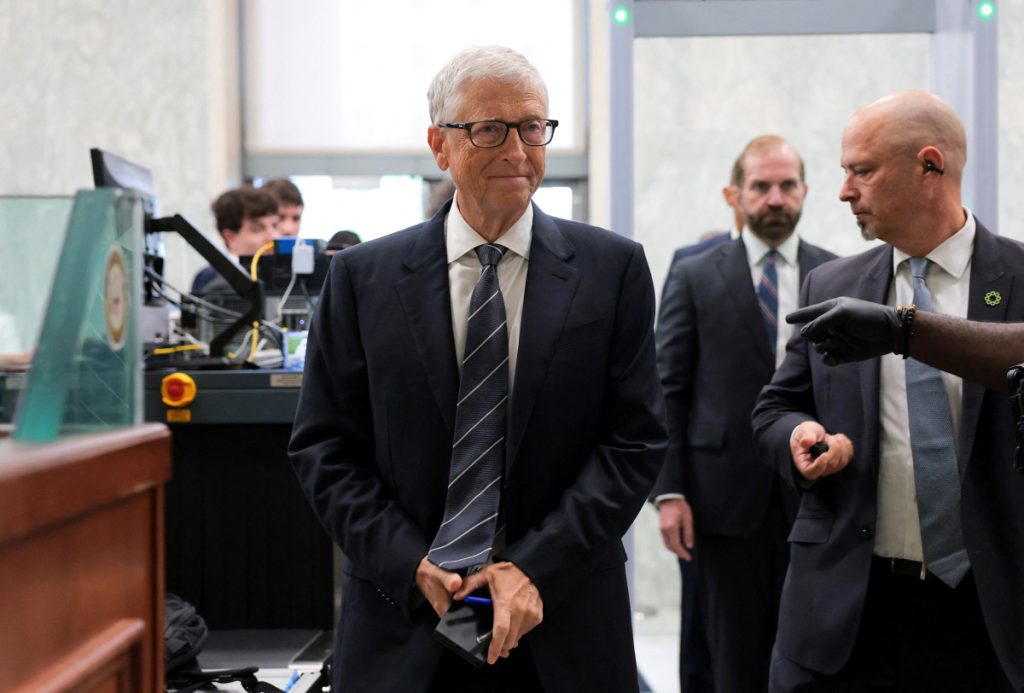
Bill Gates' recent testimony before Congress has unveiled troubling details regarding his interactions with the late Jeffrey Epstein, a convicted sex offender. In a transcript released on June 24, 2026, Gates revealed that Epstein attempted to "blackmail" him over personal matters, specifically extramarital affairs. This revelation underscores the complex web of relationships surrounding Epstein, who was known for cultivating ties with influential figures.
Gates' testimony not only sheds light on the predatory tactics employed by Epstein but also raises questions about the accountability of those who engaged with him. Lawmakers are grappling with how such powerful individuals were ensnared in Epstein's orbit. "We must ensure that this behavior is condemned and addressed," stated Senator Lisa Murkowski, who emphasized the need for systemic changes in how society handles power dynamics.
As the investigation continues, the implications of Gates' testimony could reverberate beyond individual accountability, prompting a broader examination of how wealth and influence can shield misconduct. The fallout may also ignite renewed discussions about ethics in high-profile networking, potentially reshaping policies related to personal conduct among elite circles.