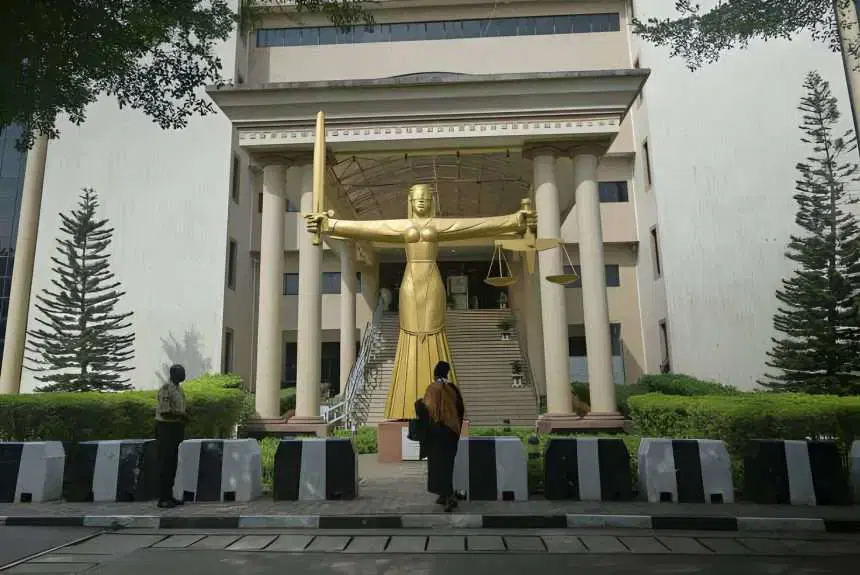
The recent order by the Federal High Court in Abuja for the Department of State Services (DSS) to investigate the alleged leak of sensitive evidence in a coup plot trial underscores growing concerns over judicial integrity and national security. This development follows the prosecution's claim that critical materials were shared on social media, potentially compromising the case against the defendants.
The allegations raise serious questions about the handling of classified information, with implications for both the trial and the broader governance context in Nigeria. Legal experts suggest that such leaks could undermine public confidence in the judicial process. "Transparency is crucial, but we must ensure that sensitive information does not get into the wrong hands," stated Olatunji Akintola, a legal analyst.
As the DSS embarks on this investigation, the outcome could set a precedent for how evidence is managed in politically sensitive cases. The court's decision reflects a growing awareness of the need for robust protections for judicial procedures, suggesting that future trials may see increased scrutiny and tighter controls on information dissemination. How this situation unfolds may influence public perception of the government's commitment to upholding the rule of law.

