Japan Spends Over $30bn To Prop Up Yen
Japan has invested over $30 billion to stabilize the yen as it reaches a low against the dollar. This intervention signals a proactive approach to maintain currency strength amid economic challenges.
Live intelligence from 10+ verified Nigerian and UK sources
Japan has invested over $30 billion to stabilize the yen as it reaches a low against the dollar. This intervention signals a proactive approach to maintain currency strength amid economic challenges.
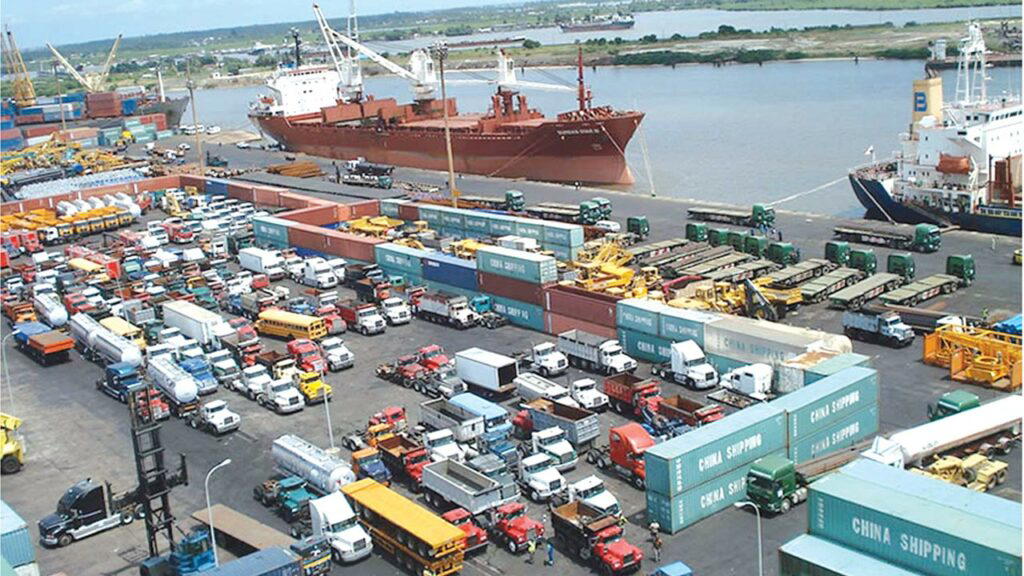
Dangote's IPO ambitions are challenged by rising oil prices and inflationary pressures. The financial landscape in Africa is evolving amidst these economic challenges.
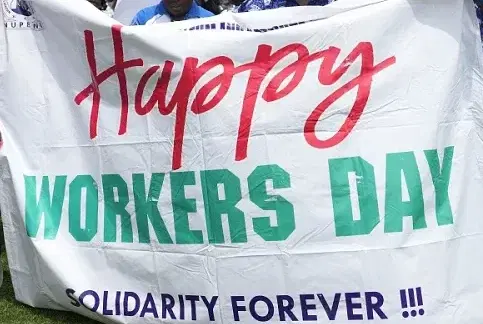
On Workers' Day, workers in Lagos expressed their frustrations over rising fuel costs and the resulting economic hardships. They highlighted the impact on transport, food, and housing prices.
Nine banks have reported a total exposure of N3.24 trillion, leading to a significant reduction in shareholders' dividends. Access Holdings recorded a profit of N1 trillion despite rising impairment charges of N523 billion.
Investors' returns on the Nigerian Stock Exchange have surged to N56.6 trillion in just four months of 2026. This increase is attributed to the strengthening fundamentals of listed stocks.
China has removed tariffs on imports from Nigeria and 52 other African nations, excluding Eswatini. This move is set to enhance trade relations and boost economic opportunities for these countries by December 2024.
Senator Sani Musa discusses Nigeria's fiscal health and the necessary reforms for revenue and debt sustainability. He expresses optimism about the new leadership's role in improving the country's financial position.
Nigerian officials have expressed strong support for OPEC amidst concerns over the UAE's potential exit. They emphasize the importance of OPEC in maintaining oil price stability and protecting national revenue.
Thrift savings schemes in Nigeria are adapting to the challenges posed by rising inflation. These informal financial systems continue to provide essential support across various communities.
Nigerian banks are hesitant to provide agricultural loans, even with the Agricultural Credit Guarantee Scheme Fund (ACGSF) in place. Strict collateral requirements are cited as a significant barrier for farmers seeking financing.
Nigerian banks are transitioning from capital raising to focusing on growth and economic impact. This shift marks a critical phase for the banking industry in Nigeria.
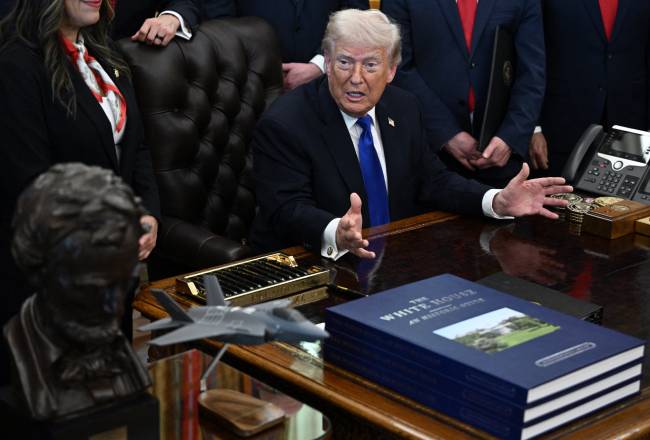
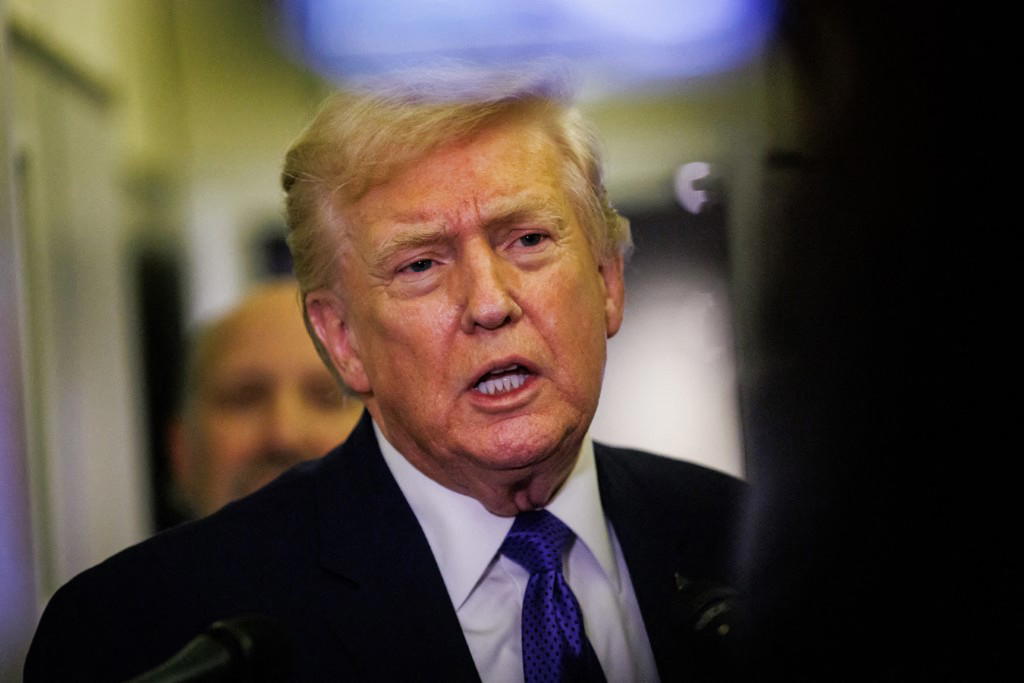
President Trump announced plans to increase tariffs on EU cars and trucks to 25%. This decision is based on the EU's failure to comply with a trade agreement.
Oil prices have seen a decline, briefly dropping below $100 per barrel. This comes as Iran suggests new talks with the US, impacting market sentiments.
Sir Gabriel Obi highlights ongoing issues with delays and multiple alerts in cargo clearance, which he believes are hampering the cargo scanning process. He warns that these challenges could negatively impact the efficiency of import operations in Nigeria.
The Strait of Hormuz is currently a focal point in global news due to its strategic importance. Discussions around it highlight its role as a critical geographical choke point for maritime trade.
Oil prices initially dropped due to Iran's talks proposal but later recovered, remaining above $100 a barrel. This fluctuation reflects ongoing geopolitical tensions in the Middle East.
Lagos State Governor Babajide Sanwo-Olu has approved a N50,000 welfare package for workers in May to alleviate economic hardship. This initiative aims to support the workforce during challenging times.
Trump has announced a potential increase in tariffs on EU cars and trucks to 25%, which could impact trade relations. This move follows a previous agreement that capped tariffs at 15%.
President Trump announced plans to increase tariffs on EU cars and trucks to 25%, citing non-compliance with a trade deal. This move could impact international trade relations significantly.
The naira has shown a slight improvement as foreign exchange liquidity reached $10 billion in April. This increase in liquidity is attributed to a 28.61% rise in trade deals.
Concerns are rising in the oil region regarding the inadequate remittance of obligations by oil companies to the Niger Delta Development Commission (NDDC). Stakeholders are calling for improved compliance to support regional development.
On International Workers' Day, Nigerian workers expressed deep concerns over insecurity and rising inflation. Labour leaders warned that these issues are contributing to worsening hardships for the workforce.
Nigeria's organized labor has rejected claims of economic growth, asserting that only a small percentage of the population benefits while millions suffer. They warn of a collapsing social contract and a failing economy, highlighting the urgent need for change.
Nigeria has reaffirmed its dedication to OPEC and OPEC+ in efforts to ensure stability in the global oil market. This commitment highlights Nigeria's role in the international oil community.
Nigerians are increasingly turning to pre-owned goods due to the rising cost of living, with demand surging by 97 percent. This shift reflects the financial pressures faced by households across the country.
Osifo argues that a ₦1 million minimum wage won't improve workers' purchasing power without addressing the value of the Naira. He emphasizes the need for simultaneous action on both fronts for meaningful change.
Peter Obi is advocating for a review of Nigeria's wage structure due to increasing inflation and economic challenges. He emphasizes the need for comprehensive economic reforms to support workers.
Abia State Government is set to launch a campaign to promote locally made products from Aba. This initiative aims to create 10,000 jobs through the Fashion Future Programme.
African workers are voicing their concerns over increasing inequality and economic challenges during this year's May Day celebrations. The International Trade Union Confederation highlights the issue of elite control and the impact on workers' rights.
The Lagos Chamber of Commerce and Industry urges the federal government to enhance fiscal management. They highlight weak budget execution and delays in fund releases as significant economic challenges.