Economic Hardship: Many Abuja residents resort to corporate begging
Many residents of Abuja are turning to corporate begging as economic hardship intensifies. This trend is particularly noticeable at traffic intersections and commercial centers.
Live intelligence from 10+ verified Nigerian and UK sources
Many residents of Abuja are turning to corporate begging as economic hardship intensifies. This trend is particularly noticeable at traffic intersections and commercial centers.
OPEC+ has raised its oil production quotas but remains silent on the potential pull-out of the UAE. The actual production may not significantly change as it is already below the set limits.
Rising fuel prices have led many car owners to abandon their vehicles and rely on public transportation. Low-income earners are also walking long distances to work due to the high cost of commuting.
Economic hardship in the Federal Capital Territory has led to a rise in 'corporate begging' among residents. This trend is becoming more noticeable at traffic intersections and commercial centers.
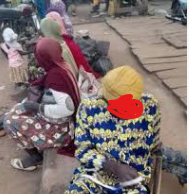
A recent petrol price hike in Abuja has led many residents to switch from cars to public transport, with some opting to trek to work. This change reflects the growing financial strain on commuters due to rising fuel costs.
Nigerian motorists are struggling with economic hardship caused by rising petrol prices, which have increased transport fares. They are calling for urgent intervention from the government to address these challenges.
Lagos State has significant captive power capacity that remains untapped, despite Nigeria's ongoing power challenges. Unlocking this potential could greatly enhance energy access for its residents.
Nigeria has gained N5.13 trillion from the US-Iran war, providing temporary fiscal relief. However, this windfall is accompanied by increasing fuel prices, causing hardship for citizens.
Adefolajuwon Amoo highlights that the ongoing US-Iran conflict poses challenges to President Tinubu's economic reforms. He emphasizes the need for resilience in Nigeria's economic strategies amidst global tensions.
The Central Bank of Nigeria (CBN) remains optimistic about the Naira's future, citing favorable oil prices. This positive outlook comes despite ongoing geopolitical tensions in the Middle East.
Young Nigerians are redefining career success, moving beyond traditional employment to focus on financial independence. This shift reflects changing values and aspirations in the workforce.
The Nigerian government announced that President Tinubu has secured $60 billion in energy sector investments over three years. Additionally, FAAC revenue has increased significantly, reflecting positive economic growth.
The NMDPRA states that Dangote's disclosure of aviation fuel prices will promote market stability. The Dangote Group has also refuted claims regarding financing issues and disputes with Tony Elumelu.
Nigeria's top banks reported a strong start to 2026, achieving a combined profit of N1.6 trillion despite economic challenges. This performance highlights their resilience in the financial sector.
Nigerians are expressing frustration over economic reforms, emphasizing the need for empathy in addressing their hardships. The focus is shifting from the rationale behind reforms to the real-life impact on citizens.
The ongoing crisis in the Middle East is negatively impacting Nigeria's economy by driving up oil prices, which in turn raises fuel costs and inflation. This situation is causing additional economic strain for the country.
Nigeria's working class is facing increased hardship due to faulty economic reforms. This year's May Day was marked by a somber mood rather than celebration, highlighting the impact of policy missteps.
A NEITI report highlights that weak governance and illegal mining are leading to significant revenue losses in Nigeria's mining sector. The findings emphasize the need for improved transparency to address these issues.
Lagos State has launched a new industrial blueprint to enhance economic growth and prosperity. Governor Sanwo-Olu aims to position Lagos as a leading industrial hub.
Egbin Power Plc has restored its plant to the grid, contributing to a 23.69% increase in electricity generation. This comes after a previous shutdown due to a contractor incident during maintenance activities.
Nigeria LNG is dedicating all its LPG production to meet the surging domestic gas demand. The NUPRC is also implementing reforms to enhance supply in the local market.
Supply chain disruptions are increasingly impacting gold trading in Nigeria. The ongoing Iran war is contributing to volatility in global commodity markets, affecting prices.
Nigeria's mining sector is experiencing significant growth with $2 billion in investments and a ₦68 billion revenue increase. Minister Dr. Dele Alake attributes this progress to reforms under President Bola Tinubu's agenda.
The Nigerian Midstream and Downstream Petroleum Regulatory Authority believes Dangote Refinery's jet fuel pricing will stabilize the market. This move is expected to ensure compliance among marketers.
Senator Olorogun Ede Dafinone has cautioned that Nigeria may waste its significant potential without enhancing production capacity. He emphasizes the need for translating capacity into actual productivity.
China Railway reported a record 24.8 million passengers during the May Day holiday, indicating a strong rebound in domestic tourism. This surge could lead to increased consumer spending in the economy.
A cleric from the Assemblies of God has called on the government to tackle the economic hardships faced by Nigerians. He emphasized the church's significant role in contributing to national development.
Californians are expressing frustration over rising petrol prices, which have reached their highest levels since early 2022. This increase is linked to the global surge in oil costs following Russia's invasion of Ukraine.
Stakeholders in Delta State are exchanging accusations regarding the failure of the Utorogun Independent Power Project after seven years. The project initially started with one megawatt due to funding limitations but has infrastructure in place to expand to four megawatts and beyond.
Californians are expressing frustration over rising petrol prices, attributing the increase to political decisions. The prices have reached their highest level since early 2022, following global oil market fluctuations.