Naira records gains on $1.98bn weekly FX turnover
The naira strengthened against the dollar this week, buoyed by a weekly foreign exchange turnover of $1.98 billion. This improvement reflects positive trends in Nigeria's FX market.
Live intelligence from 10+ verified Nigerian and UK sources
The naira strengthened against the dollar this week, buoyed by a weekly foreign exchange turnover of $1.98 billion. This improvement reflects positive trends in Nigeria's FX market.
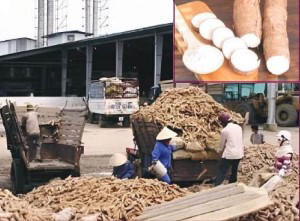
Nigeria is the world's largest producer of cassava, positioning itself for significant export opportunities. The country aims to tap into a $1 billion market for cassava derivatives.
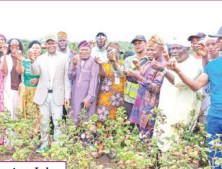
A private sector initiative in Imobi, Ogun State has successfully recorded a major harvest, signaling a potential revival of Nigeria's cotton, textile, and garment industry. Stakeholders are optimistic about the future of this value chain.
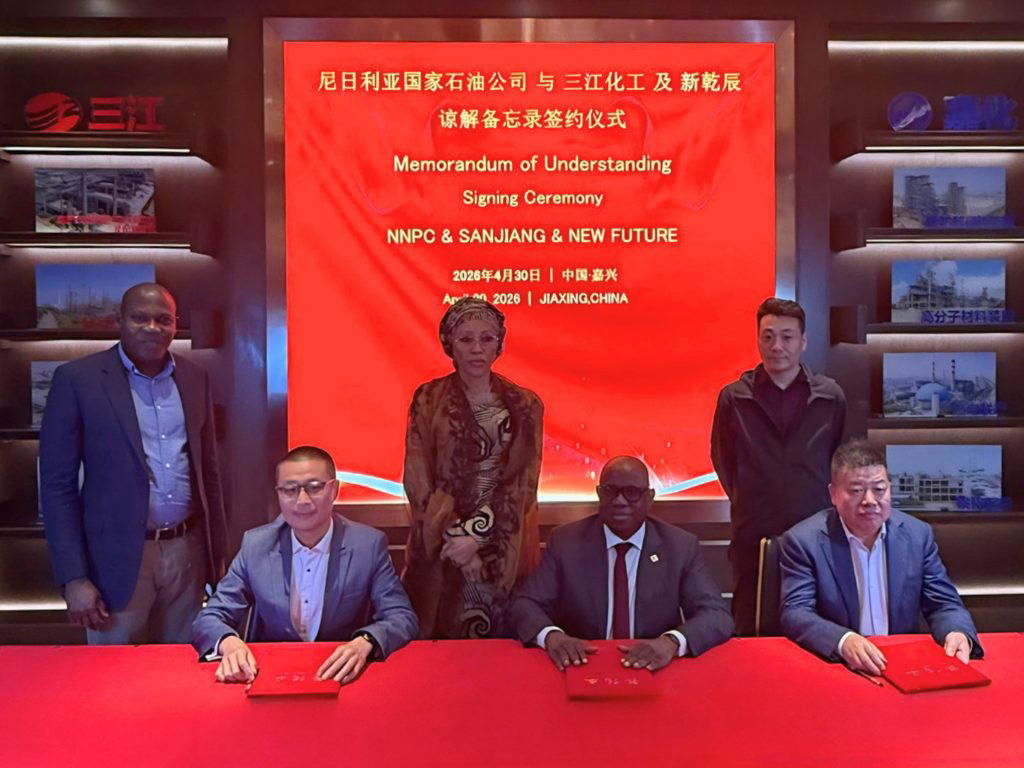
There is increasing outrage over the MoU between NNPC Limited and two Chinese firms for refinery rehabilitation. Critics argue that the partnership offers nothing beneficial for Nigeria's refineries.
Nigerian FMCG firms are seeing increased profits despite a decline in consumer spending power. This situation is leading companies to offer products on credit to maintain sales.
The NMDPRA has resumed issuing fuel import permits, allowing six firms to deliver a total of 600,000 metric tons. This move is expected to attract fresh investments into Nigeria's oil sector amidst rising oil prices.
Bismarck Rewane highlights that Nigeria is facing economic growth that is not translating into prosperity for its citizens. He emphasizes that many Nigerians are becoming poorer despite the country's growth metrics.
A new reform at the IMF aims to reshape its leadership selection process, promoting greater openness. This change has garnered unprecedented support from member countries, signaling a potential shift in governance.
Dr. Olasupo Olusi is leading a significant transformation at the Bank of Industry, enhancing support for businesses and promoting inclusion. This repositioning aims to establish the bank as a key driver of industrial growth in Nigeria.
The Nigerian government has initiated the repayment of its N3.3 trillion legacy debt to power generation companies. Transcorp's CEO views this as a significant advancement for the power sector.
Nigeria's Accountant-General has indicated that the country might reject World Bank loans due to ongoing delays in approval and disbursement. These delays are seen as detrimental to achieving project objectives.
The Trade Union Congress (TUC) has proposed a production subsidy for Dangote Refinery and others to reduce petrol prices. This comes as petrol costs have surged from ₦800 to ₦1,300 amid ongoing geopolitical tensions.
The Accountant-General of Nigeria cautions that delays in World Bank loan approvals could lead to Nigeria reconsidering its loan agreements. This warning highlights the importance of timely financial support for the country's development plans.
Nigeria's power plants operated at only 31% capacity in April, highlighting ongoing issues in the electricity sector. The gap between installed capacity and actual power availability remains a significant challenge.
Police and military forces in Sokoto foiled a bandit attack, leading to a successful kidnap rescue of five victims and the recovery of their vehicle.
Nigeria did not participate in the initial zero-tariff shipments to China, which were embraced by other African nations. This absence highlights Nigeria's missed opportunity in leveraging trade benefits under this policy.
Ondo State has launched a 1,000 hectare coffee plantation initiative, which Governor Lucky Aiyedatiwa calls historic. This project aims to enhance Ondo's role in coffee production.
Nigerian banks are projected to boost lending growth above 20% by 2026 due to improved capital positions from a recent recapitalisation. This positive outlook reflects the strengthening of the banking sector.
A Lagos logistics firm highlights the challenges of establishing a digital economy due to inadequate foundational systems. The article emphasizes the importance of robust identification processes for job applicants.
Abuja residents are facing frustration due to a scarcity of dispenser-bottled water across various districts. Supermarkets and vendors report low supplies, attributed to disruptions in production and supply chains.
The Central Bank of Nigeria has withheld approval for certain bank dividends to ensure compliance with the Banks and Other Financial Institutions Act (BOFIA). This decision impacts investors as it may affect their expected returns from these banks.
Nigerians are struggling with rising transport costs exacerbated by international conflicts. This situation is putting significant pressure on employees across the country.
A court martial over last year's foiled coup plot in Nigeria is expected to get underway Friday, two weeks after the judges were sworn in. The post What to know about court martial over 2025 coup plot appeared first on Vanguard News.
Ghana plans to raise $1 billion from local investors to finance cocoa purchases for the upcoming season. This move aims to strengthen the country's cocoa industry and boost economic growth.
An NYSC corps member in Jalingo constructs an innovative eco-friendly toilet using 3,500 recycled plastic bottles to solve school sanitation issues.
Cross River State’s revenue service seals the Basin Development Authority and a federal hospital over N154 million in unpaid tax debts and liabilities.
The Nigerian-British Chamber is advocating for significant investments in agricultural export infrastructure to address food insecurity. They emphasize the need for decentralized supply chains and improved farmer productivity ecosystems.
Dangote Refinery has reduced the ex-gantry price of petrol by N75, bringing it down to N1,200 per litre. This price adjustment reflects ongoing changes in the fuel market.
Global energy markets are facing challenges due to the ongoing conflict in Iran, which is disrupting oil supplies. The head of the IEA warns that this situation could lead to significant instability in energy prices.
Nigeria has designated 5 million hectares for livestock development to attract private investors. This initiative aims to enhance the sector's economic potential and establish Nigeria as a key player in Africa's livestock market.