Analysis: Where are Nigerian banks placing their biggest lending bets?
Nigerian banks have increased credit allocation significantly over the past five years. The analysis reveals the sectors where banks are focusing their lending efforts.
Live intelligence from 10+ verified Nigerian and UK sources
Nigerian banks have increased credit allocation significantly over the past five years. The analysis reveals the sectors where banks are focusing their lending efforts.
The Africa CEO Forum recently took place in Kigali, Rwanda, focusing on the continent's search for capital amidst global volatility. This event underscores the ongoing challenges and opportunities for African economies in securing investment.
S&P has upgraded Nigeria's credit rating, reflecting improved economic conditions. The Federal Government has welcomed this positive development, following similar upgrades from Fitch and Moody's in 2025.
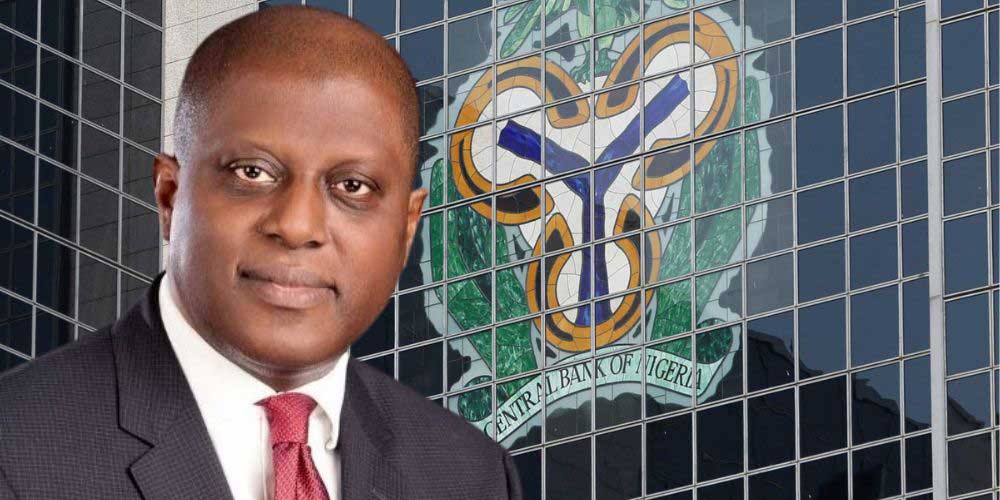
Inflation in Nigeria has risen to 15.69% due to increasing food and energy costs, particularly affecting states like Sokoto, Bauchi, and Zamfara. To address this, Cardoso has introduced a revised foreign exchange manual aimed at enhancing transparency and confidence in the market.
Nigerian banks are reluctant to lend to SMEs due to a banking allocation problem rather than a lack of importance for these enterprises. This ongoing issue highlights the need for a shift in credit distribution strategies.
Nigeria has received its first sovereign credit rating upgrade in 14 years from S&P Global Ratings, enhancing investor confidence. This milestone is expected to positively impact the country's economic landscape.
S&P Global Ratings has upgraded Nigeria's sovereign credit rating, acknowledging the country's challenging structural reforms. However, election-year inflation poses a risk to these reforms, potentially undermining progress.
Nigeria spends $6 billion annually on textile imports, highlighting a significant economic challenge. Minister John Enoh announced a new policy framework to address the decline in local cotton production.
Nigeria and Germany have strengthened their partnership with a €65 million development deal and a €300 million credit facility. This collaboration focuses on various sectors including energy, agriculture, and digital development.
May & Baker reports that increasing energy costs are driving up drug prices in Nigeria. The company is calling on the government to provide more support for local pharmaceutical manufacturing.
Nigeria's inflation rate has risen to 15.69% in April 2026, largely due to increasing costs in food, transport, and healthcare. This trend raises concerns about the economic impact on households and businesses.
Benue State has significantly increased its monthly Internally Generated Revenue from ₦700 million to over ₦3 billion. The state aims to reach an ambitious target of ₦80 billion under Governor Hyacinth Alia's administration.
Nigeria's foreign exchange turnover has surged to over $400 million daily, a significant increase from $100 million when Mr. Cardoso took office. This growth is attributed to reforms implemented by the Central Bank of Nigeria.
The equities market extended its bearish trend on Friday, shedding N1.226 trillion as investors recorded losses in major stocks. The post Equities market loses N1.23trn as profit-taking persists appeared first on Vanguard News.
President Bola Tinubu has committed to further economic reforms if re-elected, highlighting that recent tough decisions are stabilizing Nigeria's economy. He emphasizes that these measures are crucial for laying the groundwork for long-term growth.
Lagos State Government is focusing on transforming agriculture into a multi-trillion-naira sector. This initiative includes major infrastructure and market reforms to boost the state's food economy potential to N16.14 trillion.
Nigeria's inflation rate increased to 15.69% in April 2026, up from 15.38% in March. This rise raises concerns about potential interest rate cuts in the near future.
President Bola Tinubu defends the removal of fuel subsidies and tax reforms as necessary but painful measures to stabilize Nigeria's economy. He promises to work harder in his first two years if re-elected.
President Bola Tinubu defended Nigeria's economic reforms at the Africa CEO Forum, emphasizing their necessity to avert a fiscal crisis. He stated that these measures are making Nigeria more stable and appealing to investors despite facing public criticism.
Lagos Food Hubs have achieved ₦3.8 billion in transactions, according to the Agric Commissioner. The initiative has registered over 850 vendors and created more than 7,000 jobs.
The OECD has committed to supporting Nigeria's economic reforms by providing essential economic and investment data. This initiative aims to enhance investor confidence and improve policy planning in the country.
Although inflation continued to rise in April, the pace of monthly price increases slowed significantly compared to March. The post Nigeria’s inflation rises to 15.69% in April as food prices remain elevated — NBS appeared first on Premium Times Nigeria.
According to the CPI published on Friday, the latest figure moved up from the 15.38 per cent recorded in March 2026. The post UPDATED: Nigeria’s Inflation Rate Hits 15.69% – NBS appeared first on Channels Television.
Inflation pressures have returned in several of Africa's largest economies, including Nigeria, due to the ongoing conflict in Iran affecting global oil prices. This situation raises concerns about economic stability in the region.
Nigeria’s headline inflation rate climbed to 15.69% in April 2026, driven by rising costs for food, transport, and healthcare, according to the NBS.
The CBN launches its fourth edition Foreign Exchange Manual, aiming to improve transparency, liquidity, and confidence in Nigeria’s forex market.
For too long, Nigeria has acted as if economic decisions happen in a vacuum, driven only by markets and private read more Nigeria must apply political economics to protect national interest
Nigeria's inflation rate increased to 15.69% in April 2026, up from 15.38% in March. This rise reflects ongoing economic challenges as reported by the National Bureau of Statistics.
Nigerian banks have strengthened their capital buffers following a N4.65 trillion recapitalisation by the CBN. This move enhances their resilience and capacity for larger financial transactions.
NNPC emphasizes the need for enhanced gas financing across Africa to tap into the continent's significant gas resources. This initiative aims to promote sustainable energy development in the region.