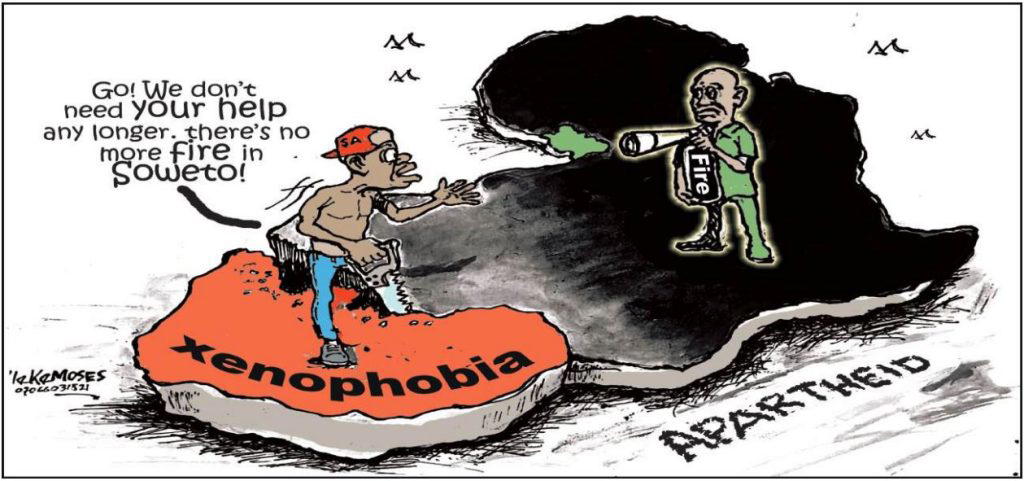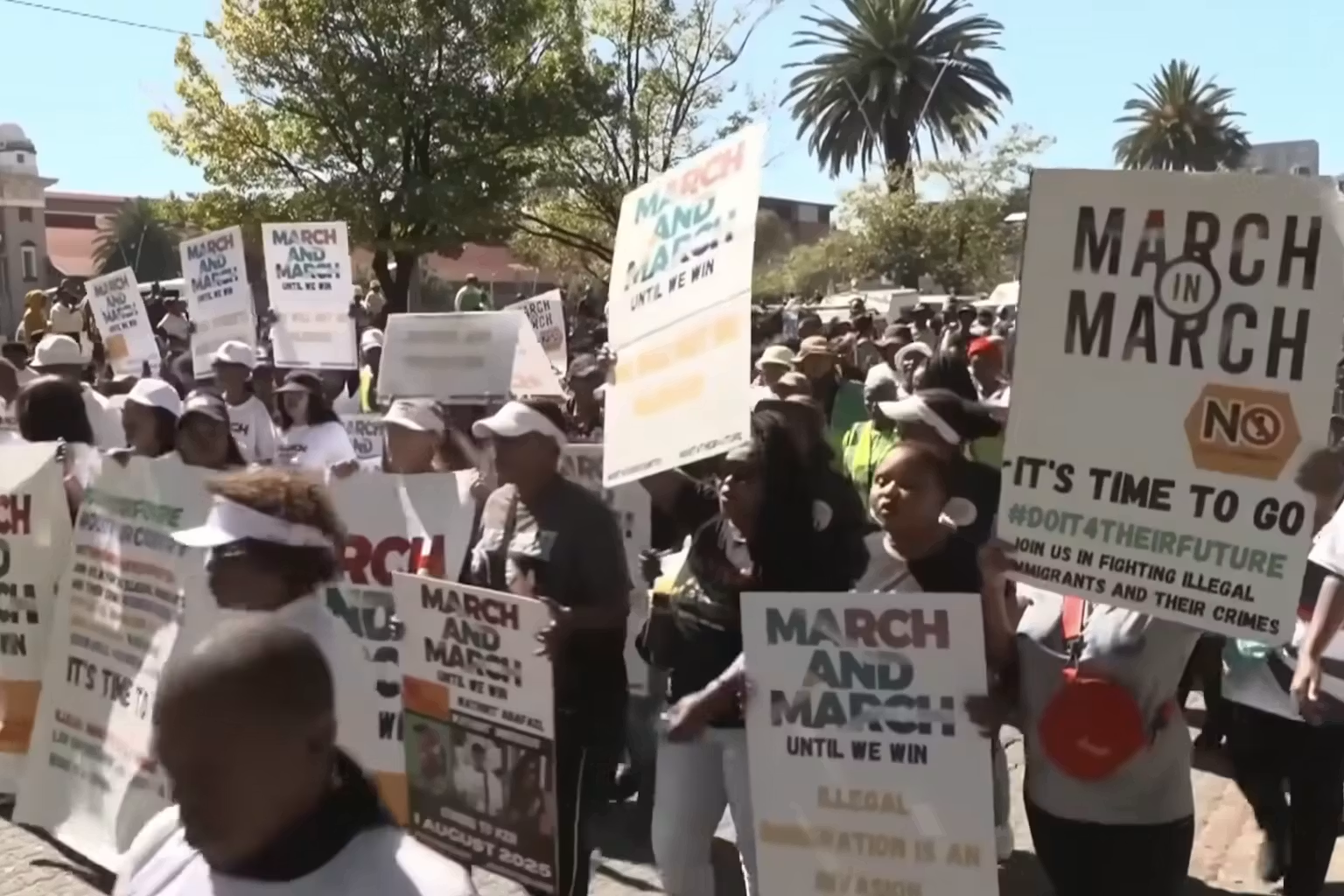
South Africa's approach to migration, characterized by crackdowns and stringent regulations, has sparked xenophobia and highlighted significant socio-political costs. Historical precedents across the continent reveal that such tactics often lead to long-lasting domestic unrest and strained diplomatic relations. Notably, the 2008 xenophobic violence, which resulted in deaths and mass displacements, serves as a grim reminder of the repercussions of intolerance.
Amid rising tensions, Dr. Thandiwe Mbeki, a noted policy analyst, states, "Ignoring the contributions of immigrants to our economy and society only deepens divisions.” This sentiment underscores the need for a more inclusive migration policy that recognizes the positive roles migrants play in South Africa's economic landscape. As the nation grapples with high unemployment and social fragmentation, addressing these issues through punitive measures is unlikely to yield sustainable solutions.
Looking ahead, the South African government must shift towards strategies that promote integration and respect for human rights. By learning from past mistakes, South Africa can foster a more cohesive society that values diversity, ultimately enhancing both domestic stability and international standing.