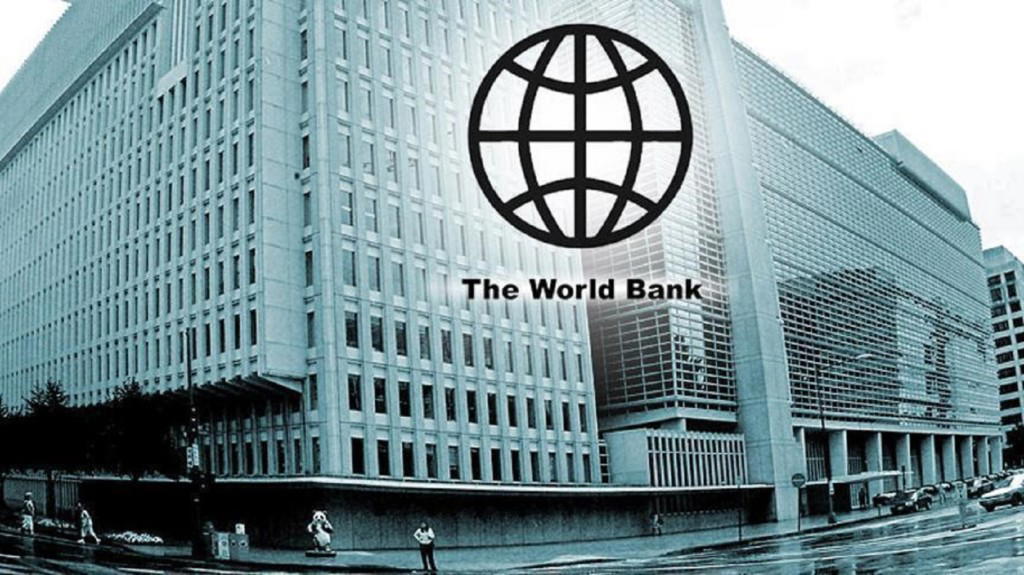
The World Bank's decision to end lending to China by 2031 signals a pivotal transformation in international financial dynamics. This shift is encapsulated in the new Country Partnership Framework, reflecting China's rising economic stature and its decreasing reliance on external financing.
Historically, the World Bank has played a vital role in supporting China's development since the 1980s, providing funding for infrastructure and poverty alleviation projects. However, as China continues to emerge as a global economic powerhouse, this partnership has evolved, leading to the current strategic withdrawal. “This decision underscores our commitment to adapt and respond to the changing landscape of global finance,” stated David Malpass, President of the World Bank.
Looking ahead, this move may prompt China to bolster its domestic financial mechanisms and further engage with alternative funding sources, such as the Asian Infrastructure Investment Bank. For the World Bank, it marks a significant reallocation of resources towards nations still in need of financial assistance, potentially reshaping development priorities in the coming decade. The implications of this transition will reverberate through both the global economy and international relations.
