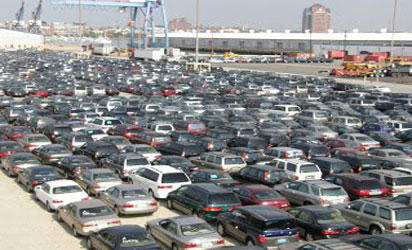
The smuggling of vehicles into Nigeria through neighboring countries has surged, largely attributed to exorbitant clearing costs at local ports. Stakeholders in the automobile and maritime sectors highlight that high freight charges and significant delays exacerbate the issue, driving consumers to seek alternative routes.
For many Nigerians, the financial burden of clearing vehicles legally has become untenable. A recent report underscores that clearing costs can reach up to 30 percent of a vehicle's value, prompting many to turn to smuggling as a more cost-effective option. "The system is rigged against the average consumer," argues Dr. Chijioke Nwosu, an automotive consultant. "Until we address the inefficiencies at our ports, this trend will only worsen."
As the government grapples with these challenges, there is an urgent need for reform to streamline port operations and reduce clearing fees. Without substantial changes, the illicit vehicle trade will likely continue to thrive, undermining local businesses and tax revenue while posing broader implications for national security and regulatory enforcement.