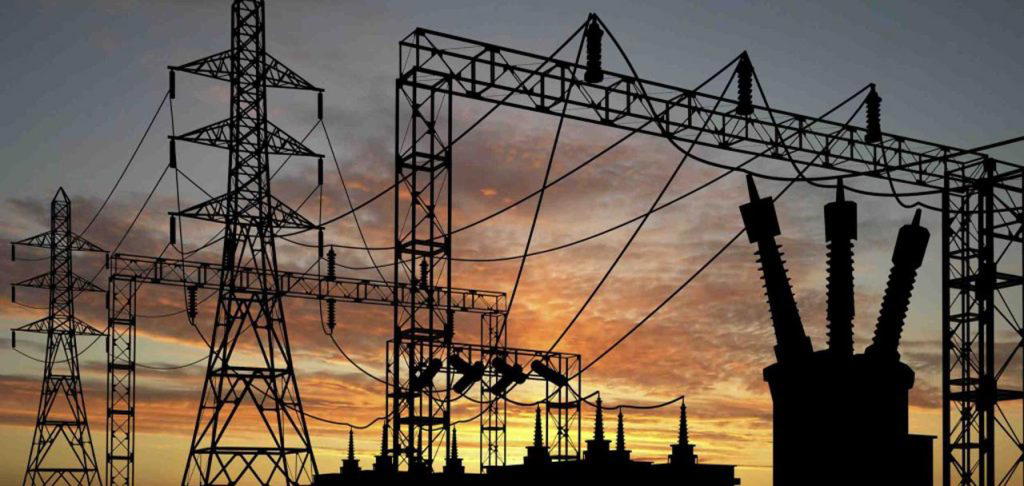
Nigeria's Electricity Act 2023 represents a pivotal shift in the nation's approach to energy reform amidst ongoing challenges in power supply. The legislation aims to enhance the regulatory framework, attract private investment, and promote renewable energy sources, addressing a sector that has long struggled with inefficiency and inadequate infrastructure.
Key developments include the establishment of independent regulatory bodies and incentives for off-grid solutions, which could potentially revolutionize energy access in remote areas. Stakeholders like Ahmed Abdullahi, CEO of the Nigeria Renewable Energy Association, noted, "This Act is a game changer. It lays the groundwork for sustainable energy solutions that can empower our communities and drive economic growth."
Looking ahead, the success of the Electricity Act will largely depend on its implementation and the government’s commitment to overcoming bureaucratic hurdles. If effectively executed, it could not only stabilize Nigeria's power supply but also position the country as a leader in renewable energy in Africa, ultimately benefiting millions of citizens and fostering a more robust economy.