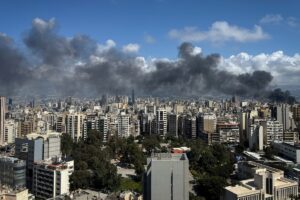
The recent extension of the ceasefire between Lebanon and Israel marks a critical juncture in a long-standing conflict that has seen renewed violence in recent months. Following intense mediation efforts by the US State Department, both nations have agreed to a 45-day truce, offering a temporary respite to civilians caught in the crossfire. This decision reflects a growing international concern over the humanitarian crisis that has escalated due to ongoing hostilities.
Lebanon's Foreign Minister, Abdallah Bou Habib, emphasized the importance of this agreement, stating, "This ceasefire is a necessary step towards stability and peace in the region." While this extension provides a window for potential diplomatic resolutions, the underlying tensions remain unaddressed. Both sides have deep-rooted grievances, and the ceasefire's sustainability will hinge on continued dialogue and international support.
As the situation unfolds, the world will be watching closely to see if this ceasefire can serve as a foundation for a more enduring peace. Without significant political will from both Lebanon and Israel, however, the risk of renewed violence looms large, highlighting the fragile nature of regional security in the Middle East.