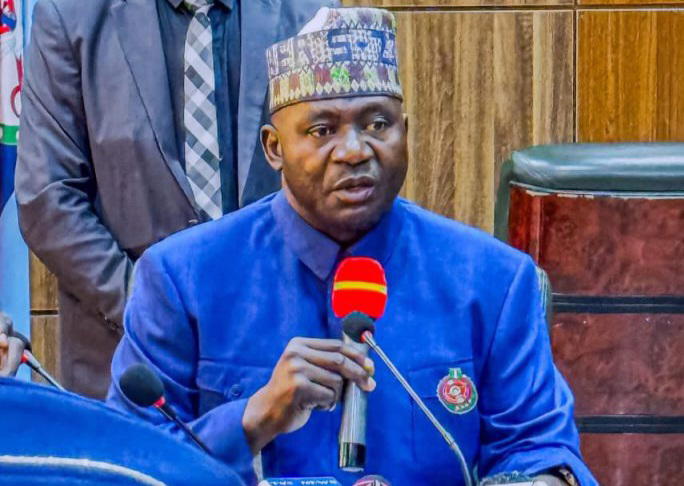
Recent heavy rains have submerged parts of Lagos, causing widespread flooding and disrupting transportation for millions. The deluge has reignited debates about infrastructure projects, particularly the controversial coastal road initiative. In a recent statement, Governor David Umahi emphasized that the flooding is not a consequence of this project, saying, "The current flooding is primarily due to unprecedented rainfall, not our infrastructure developments."
Historically, Lagos has faced challenges with drainage and urban planning, exacerbating flooding risks. With the city’s rapid population growth and ongoing climate change, these issues have become more pronounced. Experts warn that without comprehensive planning and investment in drainage systems, similar incidents will likely recur, regardless of new projects.
Looking ahead, Lagos officials may need to prioritize robust urban management strategies to mitigate future flooding risks. As climate patterns evolve, proactive measures will be essential to protect residents and ensure reliable transportation in one of Africa's largest cities. The current crisis underscores the urgent need for infrastructure that can withstand extreme weather events while fostering sustainable urban development.