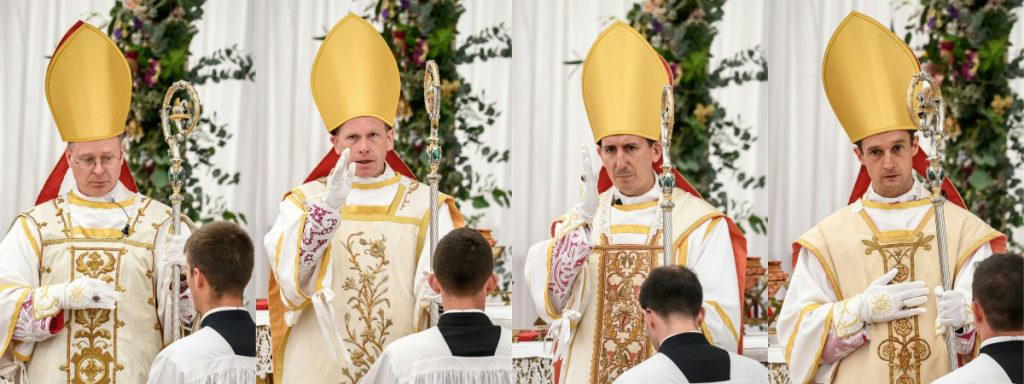
In a significant assertion of papal authority, the Vatican has excommunicated six ultraconservative bishops for ordaining new bishops without papal consent. This unprecedented move underscores the ongoing tensions within the Catholic Church, particularly between traditionalist factions and the Vatican's more progressive leadership. The Holy See deems these unauthorized consecrations as acts of insubordination that threaten the unity of the Church, which serves approximately 1.4 billion Catholics worldwide.
The bishops, aligned with a strict interpretation of Catholic doctrine, have often resisted reforms championed by Pope Francis, leading to their excommunication. "This decision reinforces the centrality of the Pope’s role in safeguarding the faith and order of the Church," stated Bishop Robert McElroy, a prominent figure in the Catholic hierarchy. The Vatican's firm stance reflects a broader strategy to maintain doctrinal coherence amidst growing divisions.
Looking ahead, this conflict may further polarize the Church, prompting a reevaluation of the balance between tradition and reform. As the Vatican seeks to assert its authority, the implications for ultraconservative movements within Catholicism could be profound, potentially reshaping the Church's landscape in the years to come.