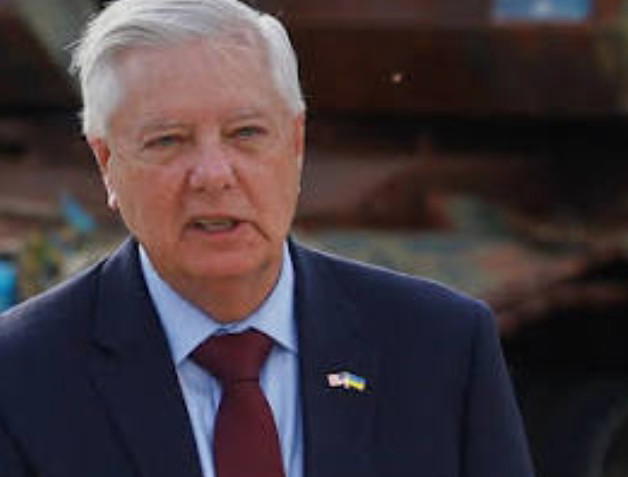
The sudden death of Senator Lindsey Graham at the age of 71 marks a significant turning point in American politics, particularly for the Republican Party and its foreign policy agenda. Graham, a vocal supporter of former President Donald Trump, cultivated a reputation as a hawkish figure, advocating for robust military interventions and a tough stance on countries like Iran.
Graham's unexpected passing has elicited a wave of tributes, with Senate Minority Leader Mitch McConnell stating, "Lindsey was a steadfast friend and an unwavering champion for our country." This sentiment highlights Graham's influence within the Republican establishment, as well as his role in shaping U.S. foreign policy over the last two decades.
As the party navigates the post-Trump era, Graham's absence may create a vacuum in leadership among the hawkish faction, prompting questions about the future direction of Republican foreign policy. With 2024 elections on the horizon, his legacy will likely shape the discourse as candidates position themselves on national security issues. The coming months will reveal how his passing impacts both party dynamics and U.S. international relations.