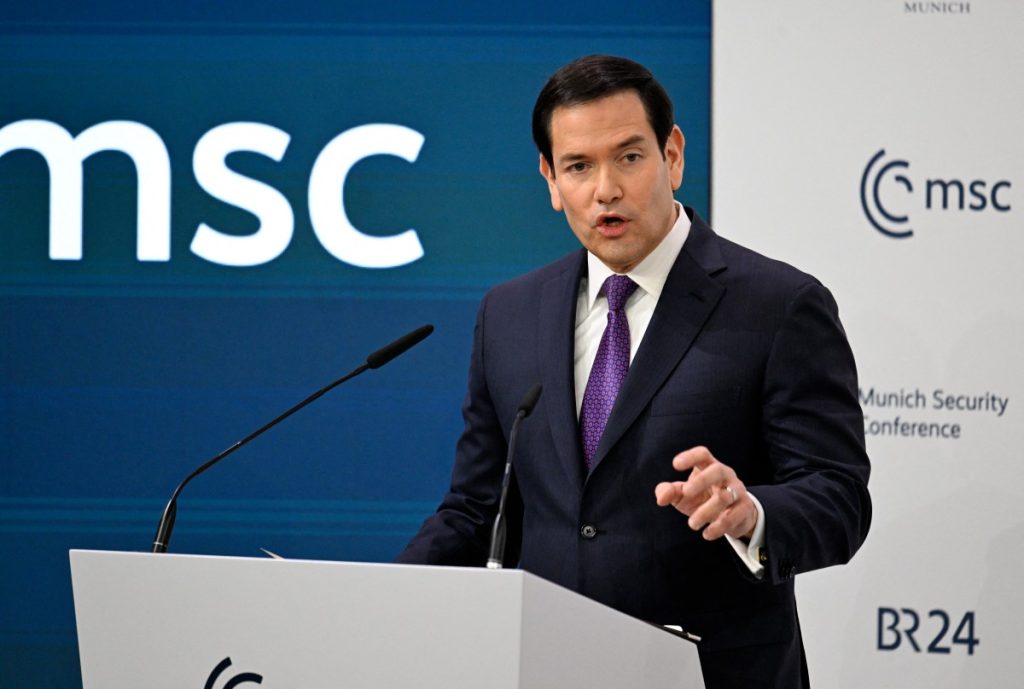
The recent remarks by U.S. diplomat Marco Rubio underscore the delicate balance the Biden administration seeks to maintain in dealing with Iran amid regional tensions. Rubio emphasized that any agreement with Iran would not compromise the security interests of Gulf allies, a crucial consideration given the complex dynamics in the Middle East. His comments come as the U.S. explores negotiations aimed at curbing Iran’s nuclear ambitions while addressing regional concerns.
Rubio stated, "We want a deal, but not at any price," signaling a firm stance against concessions that could jeopardize the safety of U.S. partners in the region. This statement attempts to reassure allies, particularly Saudi Arabia and the UAE, who fear that a lenient agreement could embolden Iran’s influence and aggression. The ongoing dialogue reflects a broader strategy to navigate the intricate web of alliances and hostilities that characterize the Middle East.
Looking ahead, the U.S. must carefully calibrate its diplomatic efforts, balancing the need for a sustainable agreement with the imperative to uphold regional stability. As tensions persist, the effectiveness of these negotiations will be vital in shaping the future landscape of Middle Eastern security.

