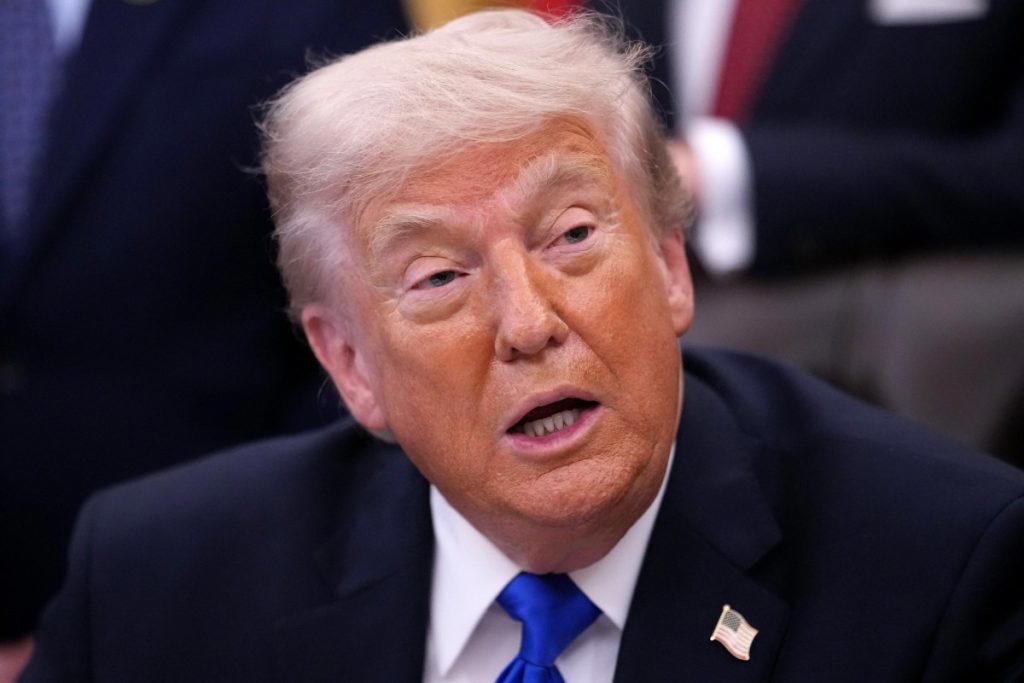
As the US navigates complex diplomatic waters, the possibility of a renewed deal with Iran remains on the table, despite President Trump's tempered expectations. Trump's cautious stance reflects a desire for thoroughness over haste, as he has instructed his team to be deliberate in their approach to negotiations. This comes amid rising tensions in the region, where Iran's nuclear ambitions continue to provoke concern among Western allies.
In recent statements, Secretary of State Antony Blinken emphasized, “We believe a deal is still achievable if all parties are committed to the process.” His comments indicate that the Biden administration is keen to revive the 2015 agreement, which aimed to limit Iran's nuclear capabilities in exchange for sanctions relief. The current geopolitical landscape, however, complicates these negotiations, with both domestic pressures and external threats influencing the dialogue.
Looking ahead, the outcome of these discussions could significantly impact regional stability and US foreign policy. As stakeholders grapple with the nuances of diplomacy, the path to a deal will demand not only strategic patience but also a willingness to engage in meaningful compromise from all involved parties.