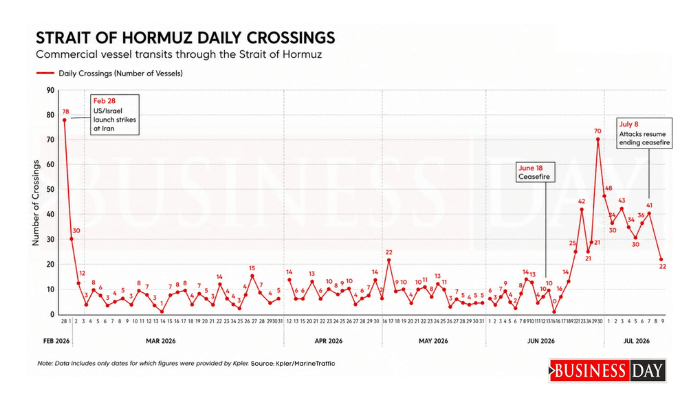
As tensions escalate in the Persian Gulf, the United States has launched fresh airstrikes against Iran for the third time this week, marking a significant deterioration in regional security. This wave of strikes comes amidst Iran's declaration that it has closed the Strait of Hormuz, a vital maritime chokepoint through which approximately one-fifth of the world's oil passes. The Iranian government has vowed to retaliate, with attacks already reported against at least five Arab nations allied with the U.S.
Defense Secretary Mark Esper stated, "We will not allow Iran to threaten our interests or our allies in the region." This statement underscores the U.S. commitment to maintaining its presence and influence amidst rising hostilities. The ongoing conflict reflects not only a power struggle in the Middle East but also the broader implications for global oil markets and international security.
As both sides brace for further escalation, the international community watches closely. The potential for wider conflict looms, with fears that a protracted confrontation could destabilize the entire region and disrupt global oil supplies. The situation remains fluid, and diplomatic efforts will be crucial to de-escalate tensions before they spiral beyond control.