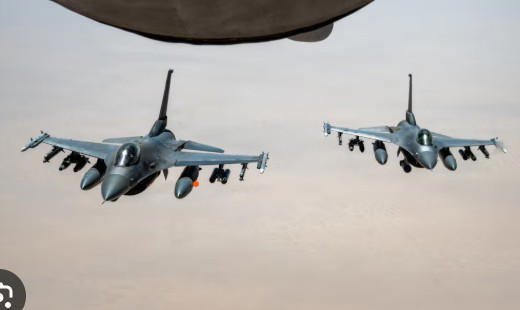
As the war in the Middle East marks its 100th day, tensions escalate sharply with the U.S. downing two Iranian drones near the strategic Strait of Hormuz. This incident underscores the ongoing volatility in the region, where the U.S. seeks to assert its dominance and protect vital shipping lanes critical for global oil supplies.
The drones posed a significant threat, prompting U.S. forces to act decisively, reflecting a broader pattern of confrontations between Washington and Tehran. The conflict, which has already seen numerous casualties and widespread destruction, shows no signs of abating, with both sides entrenched in their positions. "Our commitment to securing international waters is unwavering," stated Admiral John Smith, Commander of U.S. Naval Forces in the region.
Looking ahead, the potential for further military engagement remains high, particularly as diplomatic efforts appear stalled. The U.S. and its allies must navigate this complex landscape carefully, balancing military readiness with the urgent need for dialogue to prevent an escalation that could have far-reaching consequences for global security and stability.