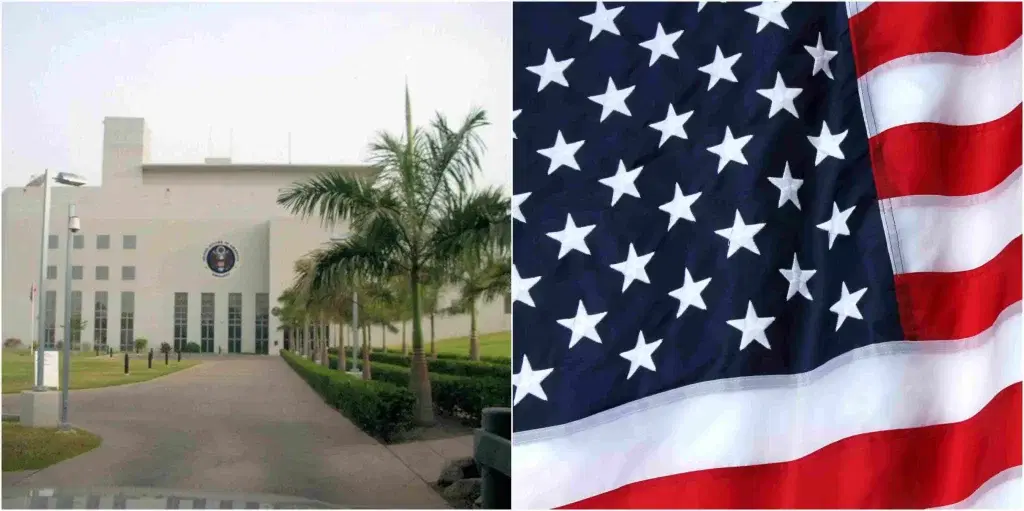
The recent decision by the U.S. House of Representatives to slash aid to Nigeria by 50% underscores escalating tensions surrounding religious persecution in the country. This drastic measure stems from persistent reports of violence against Christian communities, which lawmakers argue the Nigerian government has failed to adequately address.
The U.S. has historically been a significant source of support for Nigeria, particularly in areas like security and economic development. However, this funding cut reflects growing frustrations among American lawmakers over the Nigerian government's inability to protect its vulnerable populations. "The U.S. cannot stand idly by while our allies fail to uphold basic human rights," stated Rep. Chris Smith, a key advocate for the bill.
As aid diminishes, Nigeria faces increasing challenges in managing its security crises, which may exacerbate existing socio-economic issues. The move signals potential shifts in U.S.-Nigeria relations, prompting both nations to reassess their partnership. Observers will be watching closely to see how this funding cut impacts Nigeria's approach to religious violence and whether it leads to significant policy changes in the near future.