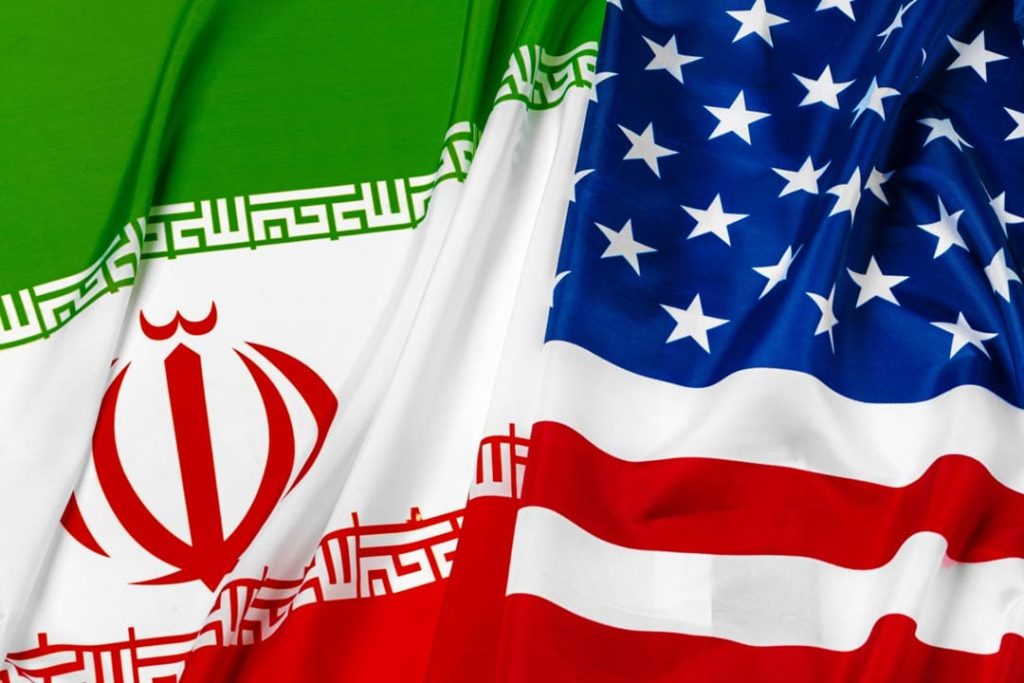
The postponement of U.S.-Iran talks in Switzerland highlights the fragility of Middle Eastern diplomacy amid escalating violence. Scheduled for Friday, the discussions were delayed following Israeli airstrikes in Lebanon that killed four Israeli soldiers, raising tensions in an already volatile region. The strikes are seen as a response to ongoing threats from Hezbollah, complicating any potential diplomatic breakthroughs.
U.S. Secretary of State Antony Blinken remarked, “Every act of aggression makes our path to peace more difficult.” This sentiment underscores the precarious balance that negotiators must navigate as they attempt to address Iran's nuclear ambitions and regional influence while managing Israel's security concerns. The context surrounding these talks is critical; both nations are under immense domestic and international pressure, with Iran facing sanctions and the U.S. seeking to reaffirm its commitment to allies in the region.
Moving forward, the international community will be closely watching how both sides respond to this setback. The urgency for dialogue remains, but the path ahead is laden with challenges that could further entrench divisions or pave the way for unexpected resolutions.