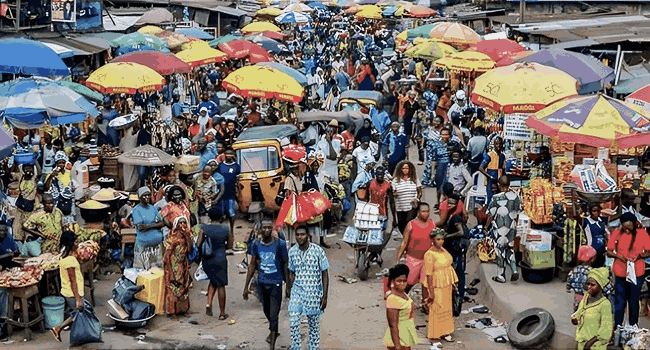
Nigeria's inflation rate has surged to 15.93% in May, marking a troubling trend as consumer prices increase for the third consecutive month. While this figure is notably lower than the peaks experienced during the previous year, the persistent rise highlights ongoing economic challenges, particularly in food and service sectors. The National Bureau of Statistics attributes this inflationary pressure to supply chain disruptions and rising production costs.
Economic experts are expressing concern over the implications of continued inflation. Dr. Sarah Okonjo, an economist at the University of Lagos, stated, "The gradual rise in inflation indicates that while we are not at crisis levels, the economic recovery remains fragile, especially for low-income households." This sentiment underscores the widening gap between inflation rates and wage growth, which could further strain household budgets.
Looking ahead, sustained inflation poses a significant threat to Nigeria's economic stability. Policymakers must consider targeted interventions to address supply chain issues and bolster food production. Failure to act decisively may exacerbate social unrest and widen the economic divide, creating long-term challenges for the nation.