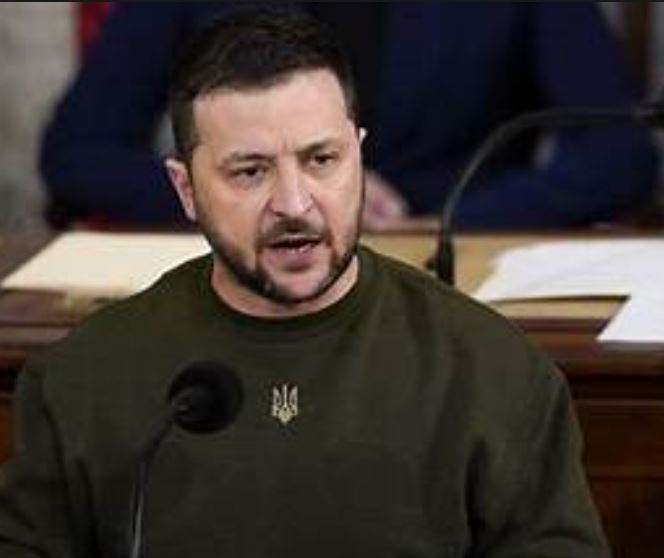
Tensions between Ukraine and Israel intensified this week as President Volodymyr Zelensky accused the Israeli government of accepting shipments of grain that Russia allegedly stole from Ukrainian territory. With large areas of Ukraine’s agricultural heartland under Russian occupation, the implications of this accusation extend beyond diplomatic relations, affecting global food security.
Zelensky emphasized the gravity of the situation, stating, "Accepting stolen goods undermines international law and supports aggressors." This condemnation comes amid rising concerns over Russia's control over vital grain supplies, which could exacerbate food shortages in regions reliant on Ukrainian exports. The Ukrainian government has called on other nations to refuse cooperation with Russia and to support Ukraine’s sovereignty.
As the war in Ukraine continues, the fallout from this incident could reshape alliances and influence international responses to the conflict. Ukraine's reliance on global partnerships for economic resilience makes it crucial for countries like Israel to consider the broader implications of their actions. The situation highlights the complex interplay of geopolitical interests and humanitarian needs in a world increasingly affected by conflict.
