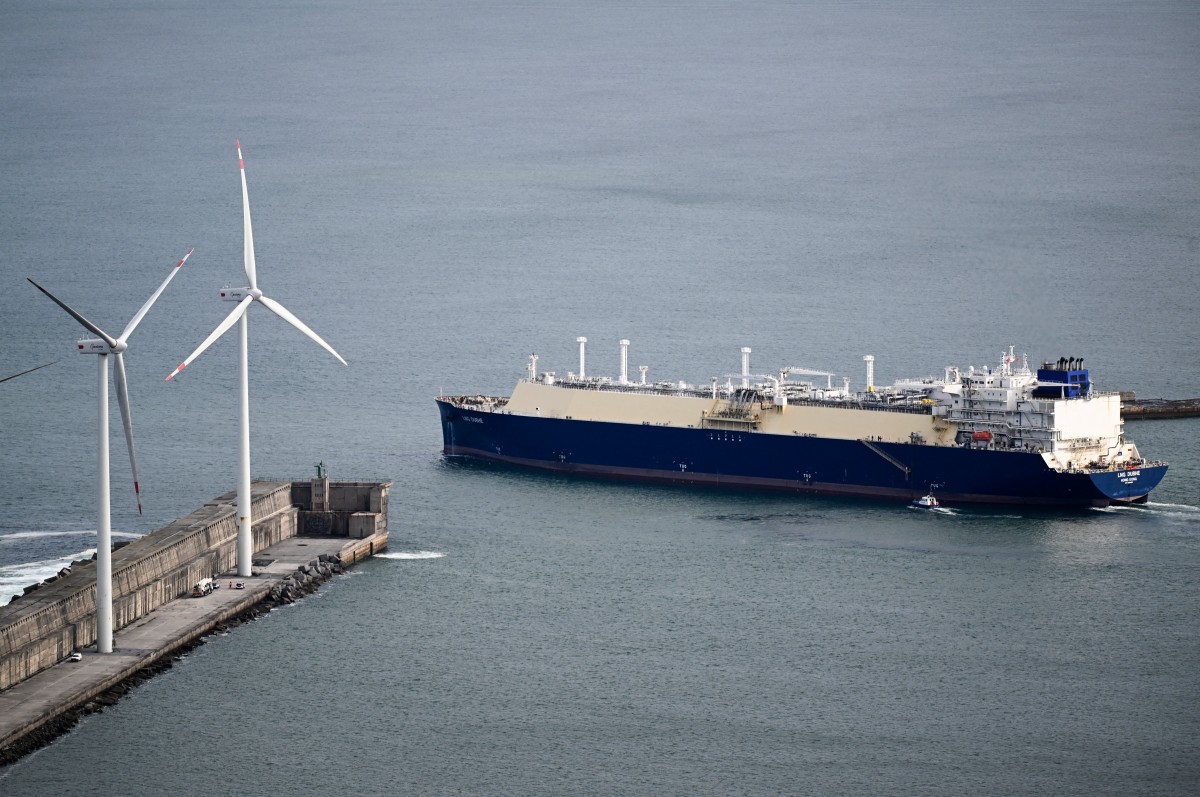
In a significant diplomatic development, U.S. President Donald Trump and Chinese President Xi Jinping have reaffirmed that the Strait of Hormuz, a critical maritime route for global oil supply, "must remain open." This agreement underscores the strategic importance of the strait, through which over half of China's crude imports transit, predominantly sourced from the Middle East.
The discussions, held during a recent bilateral meeting, reflect escalating concerns about regional stability amid rising tensions and geopolitical rivalries. The U.S. has emphasized the need for a secure and free passage in the strait, with Secretary of State Antony Blinken stating, "Our economies depend on an uninterrupted flow of oil, which is crucial for both American and Chinese interests."
Both leaders recognize that any disruption could have severe repercussions not only for their nations but also for the global economy. As China continues to expand its energy footprint, and the U.S. seeks to maintain its influence in the region, this agreement could pave the way for collaborative efforts to ensure maritime security. Moving forward, the focus will likely shift to how both nations can balance their interests while addressing regional challenges.