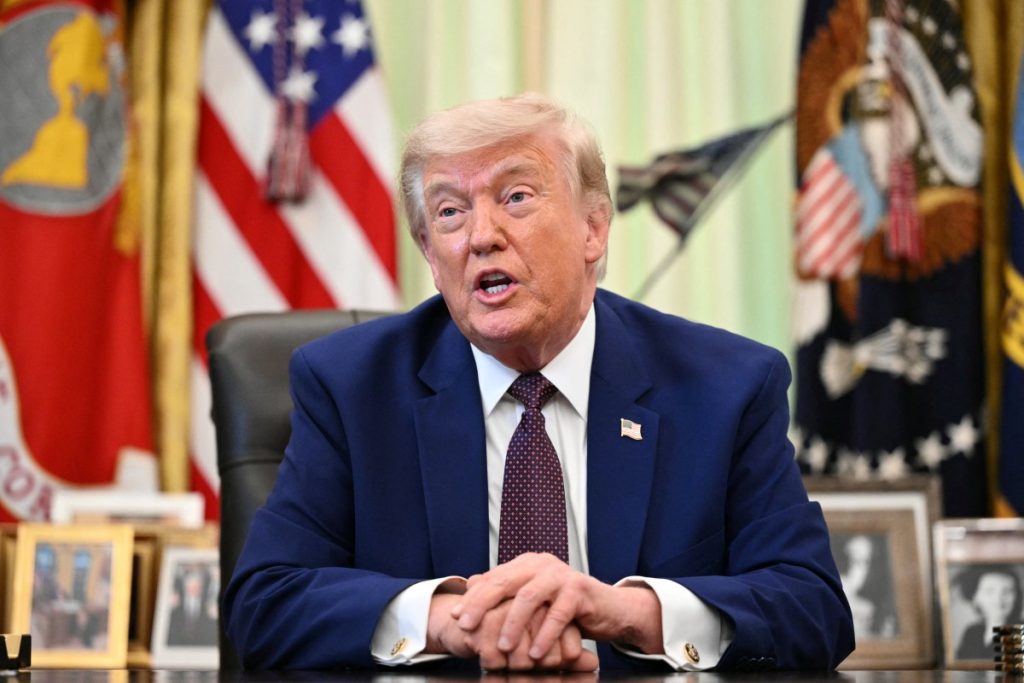
In a significant shift in U.S.-Iran relations, President Donald Trump announced that while the United States is open to further negotiations with Iran, the previously established ceasefire is now "over." This statement follows months of escalating tensions and recent provocations from both sides. Trump's comments come amid ongoing discussions about Iran's nuclear program and its influence in the Middle East, raising concerns among regional allies.
The President emphasized, "We are willing to talk, but Iran must understand that their actions have consequences." This declaration not only indicates a hardening of the U.S. stance but also reflects domestic pressures as Trump seeks to balance international diplomacy with a tough-on-Iran narrative to his base. Analysts suggest that this could lead to increased military posturing in the region, further complicating the already fragile situation.
As the U.S. prepares for potential future talks, the prospect of renewed hostilities looms large. Observers fear that without a ceasefire, the risk of conflict could escalate, impacting global oil markets and regional stability. The coming weeks will be crucial in determining whether diplomatic efforts can de-escalate tensions or if a new chapter of confrontation will unfold.