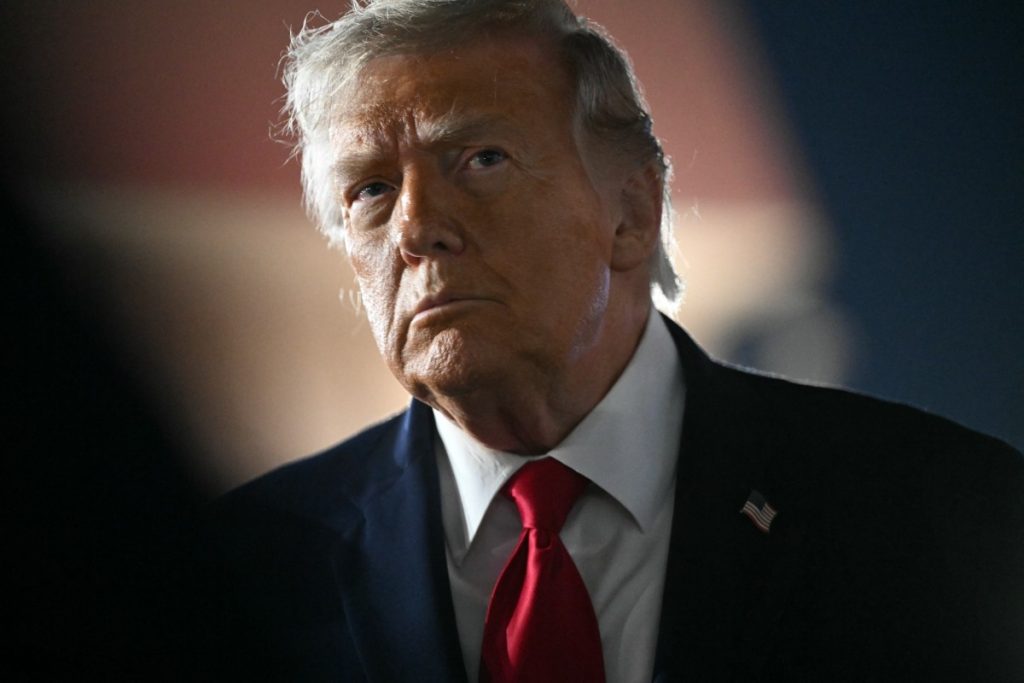
In a surprising turn of events, U.S. President Donald Trump announced that a meeting with Iranian officials will take place in Qatar, despite Tehran's earlier denial of any ongoing discussions related to the Middle East conflict. The meeting, scheduled for Tuesday, signals a potential thaw in U.S.-Iran relations, which have been fraught with tension since the U.S. withdrew from the nuclear agreement in 2018.
Trump’s statement comes amid increasing international scrutiny regarding Iran's nuclear ambitions and its role in regional instability. Iran's Foreign Minister, Hossein Amir-Abdollahian, previously dismissed claims of technical talks, stating, "We are not currently engaged in negotiations with the U.S." The conflicting narratives highlight the complexities of diplomacy in the region, where trust is scarce and stakes are high.
As the world watches closely, the Qatar meeting could either pave the way for renewed dialogue or exacerbate existing tensions. Analysts suggest that both sides may be testing the waters for a possible rapprochement, raising hopes for a more stable Middle East. However, the outcome remains uncertain, and the implications could ripple far beyond the immediate parties involved.