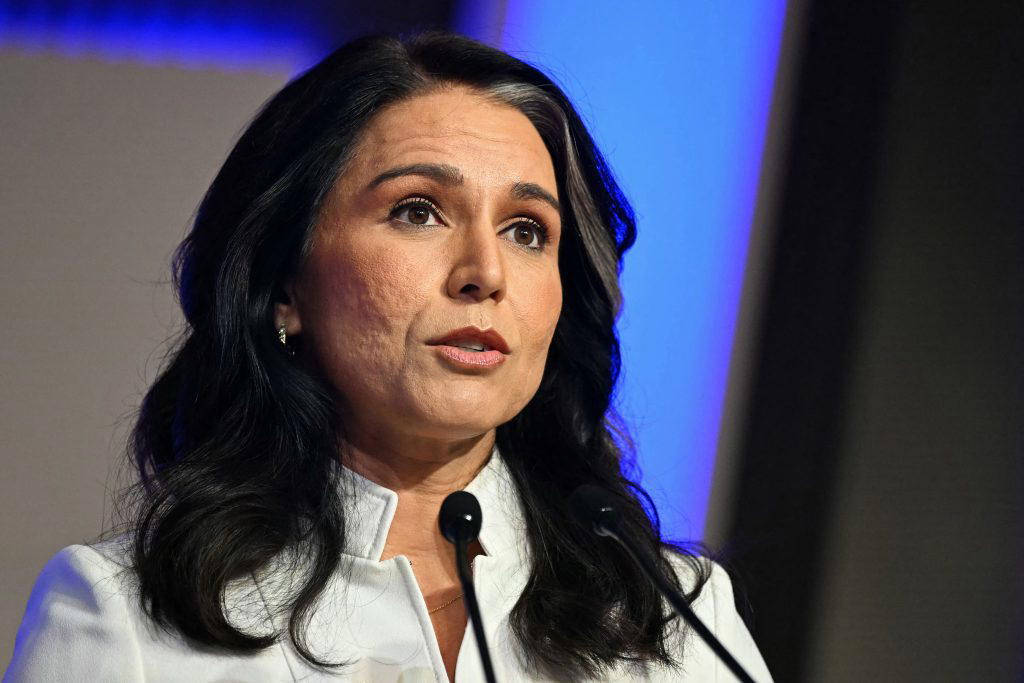
Tulsi Gabbard's resignation as US intelligence chief signals a significant rift within the Trump administration, particularly over Iran policy. Her departure follows a series of contentious discussions, with reports suggesting that Gabbard's strategic views diverged sharply from Trump's more aggressive stance toward Tehran.
Gabbard, who previously served as a Congresswoman, was appointed to the intelligence post amid hopes of infusing a more diplomatic approach into US foreign policy. However, her tenure was marred by increasing tensions with the president, who has favored a hardline approach. In her resignation letter, Gabbard stated, "I believe in diplomacy and dialogue, which are essential for lasting peace. Unfortunately, my vision for our intelligence community is not aligned with this administration’s approach."
As Gabbard steps down, the implications for US foreign relations, particularly regarding the Middle East, remain uncertain. The vacancy could prompt Trump to appoint a more hawkish figure, further entrenching the administration's current policies. Observers will closely monitor how this leadership change might affect the US's strategic posture and its relations with Iran and other key players in the region.